блокчейн-платежи не являются мгновенными, и значительная часть задержки связана с тем, как время блока, распространение транзакций и механизмы подтверждения работают в децентрализованных сетях.
Клиент отправляет транзакцию и ожидает, что всё завершено. Вы видите её появление и предполагаете, что процесс почти закончен. На самом деле ни то ни другое ещё не верно. В этот момент существует не завершённый платёж, а транзакция, входящая в систему, которой требуется время для обработки.
Именно промежуток между «отправлено» и «финально» вызывает большую часть путаницы, задержек и неверных решений, особенно у мерчантов, работающих с реальными платежами.
Платёж не происходит в один момент
В традиционных системах платежи кажутся мгновенными, потому что большая часть сложности скрыта. блокчейн убирает эту абстракцию. Он не сжимает процесс до одного момента, а показывает его этапы.
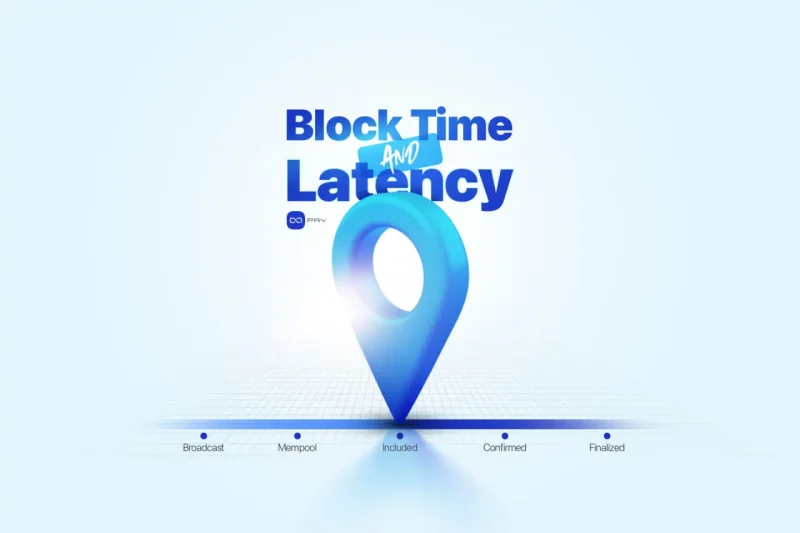
После создания транзакция проходит по сети шаг за шагом. Она должна распространиться до достаточного числа узлов, чтобы стать видимой. Она должна конкурировать с другими транзакциями, ожидающими включения. И в конечном итоге она должна попасть в блок, прежде чем её вообще можно будет считать подтверждённой.
То, что выглядит как задержка, часто является прямым следствием того, как время блока влияет на распространение, валидацию и включение транзакций в блоки разных сетей. Более техническое объяснение этого процесса приведено в
Руководство для разработчиков Bitcoin.

Откуда берётся время
Время блока — одна из основных причин, почему блокчейн-платежи не мгновенны, но это только часть более широкого процесса задержки.
Каждая сеть создаёт блоки в своём темпе. В Bitcoin среднее время блока составляет около десяти минут, тогда как Ethereum обычно создаёт новые блоки значительно быстрее, согласно документации Ethereum. Но даже в более быстрых системах включение в блок никогда не происходит мгновенно. Транзакция всё равно должна дождаться своей очереди, прежде чем стать частью цепочки.
До этого транзакция сначала должна распространиться по сети. Этот этап распространения почти невидим для пользователей, но именно он определяет, насколько быстро валидаторы или майнеры вообще узнают о транзакции. В нормальных условиях это происходит быстро, но не мгновенно.
Затем начинается конкуренция. Транзакции не попадают в блоки автоматически. Их выбирают с учётом спроса в сети, давления комиссий и поведения валидаторов. Во время перегрузки этот период ожидания становится гораздо менее предсказуемым.
Таким образом, задержка — это не одна пауза. Это совокупный эффект распространения, конкуренции и производства блоков, работающих вместе под поверхностью платёжного процесса.
Почему «подтверждено» не всегда означает «финально»
Даже после включения транзакции в блок процесс не всегда полностью завершён с точки зрения риска.
Во многих блокчейнах уверенность растёт со временем. Каждый новый блок после транзакции делает её более защищённой и сложной для отката. Именно поэтому подтверждения важны.
В сетях с более длительным временем блока получение нескольких подтверждений может занять значительно больше времени, прежде чем транзакция станет операционно надёжной. Чем глубже транзакция находится в цепочке, тем сложнее её отменить или изменить.
С точки зрения системы платёж со временем становится безопаснее. С точки зрения пользователя часто кажется, что он уже должен быть завершён. Именно эта разница в восприятии становится причиной многих проблем с платежами.
Компании, работающие с криптотранзакциями, обычно используют структурированный процессу подтверждения платежа to decide when a transaction becomes reliable enough for fulfillment.

Настоящий компромисс для мерчантов
Это не просто техническая деталь. Она напрямую влияет на работу бизнеса.
Клиент платит и ожидает немедленного выполнения. Ваша система обнаруживает транзакцию, но она всё ещё может ждать достаточного числа подтверждений для достижения надёжного состояния, особенно в сетях с более длинными интервалами между блоками. Слишком раннее действие создаёт риск, а слишком долгое ожидание — лишнее трение и для мерчанта, и для клиента.
Универсального ответа здесь нет — есть только компромиссы.
Важно понимать, что платёж проходит через состояния, а не мгновенно переключается из «не оплачен» в «оплачен». Когда вы смотрите на него так, решение становится яснее. Вы решаете не существует ли платёж, а какой уровень уверенности вам нужен, прежде чем действовать.
Поэтому мерчантам нужны обновления статуса платежа в реальном времени вместо ручной проверки. OxaPay поддерживает это с помощью Webhook-уведомления, которые отправляют обновления в систему мерчанта при изменении состояния платежа.
Почему более быстрые сети не меняют саму модель
Более короткое время блока может сделать блокчейн-платежи быстрее на практике, но оно не устраняет базовые механизмы, обеспечивающие децентрализованные расчёты.
Даже в высокоскоростных сетях транзакция проходит ту же базовую последовательность. Она должна распространиться по сети, конкурировать за включение, попасть в блок, а затем набрать достаточную глубину подтверждений, чтобы достичь надёжного состояния.
Между сетями в основном меняются временные параметры. Более быстрые системы сокращают ожидание между этапами, но не устраняют сами этапы.
Поэтому многие криптоплатежи выглядят мгновенными на поверхности, хотя внутри всё равно опираются на логику подтверждений. Пользовательский опыт становится плавнее, но платёж всё ещё проходит процесс, а не завершается в один момент.
Что это означает для блокчейн-платежей
Практический вывод прост: блокчейн-платежами нужно управлять как процессом, а не как единичным событием. Транзакция может быть видимой до того, как станет надёжной, подтверждённой до того, как станет достаточно финальной для вашего бизнеса, и технически валидной до того, как будет безопасно выполнять заказ.
Для мерчантов это меняет подход к проектированию платёжных систем. Вместо того чтобы считать каждую обнаруженную транзакцию завершённой, компаниям нужны состояния платежа, логика подтверждений, обработка истечения срока, обновления через webhook и понятная сверка. Именно здесь криптоплатёжный шлюз может снизить операционную неопределённость.
криптошлюз OxaPay помогает мерчантам принимать и управлять блокчейн-платежами с созданием инвойсов, отслеживанием в реальном времени, обновлениями статуса платежа и автоматизацией на основе webhook. Вместо ручной интерпретации каждой транзакции мерчанты могут использовать OxaPay как операционный слой между поведением блокчейна и выполнением обязательств бизнеса.