بیشتر کسبوکارها وقتی همهچیز عادی کار میکند، زیاد درباره پرداخت فکر نمیکنند. مشتری Checkout را تکمیل میکند، سفارش در سیستم جلو میرود و درآمد در داشبوردها ظاهر میشود. اما بهمحض شروع مشکل، پرداخت ناگهان به یکی از حساسترین بخشهای عملیاتی کسبوکار تبدیل میشود. تراکنشها بدون توضیح ناموفق میشوند، تأخیر در تسویه تیکت پشتیبانی ایجاد میکند و مشتری اصرار دارد که پرداخت کرده، در حالی که سیستم هنوز تراکنش را Pending نشان میدهد.
معمولاً همینجاست که کسبوکارها به نکته مهمی پی میبرند: پرداخت آنلاین برای کسبوکار فقط ابزار Checkout نیست. یک سیستم زیرساختی است که رفتار مشتری، فرایندهای عملیاتی، شفافیت مالی و جریان درآمد را به هم متصل میکند. با گسترش کسبوکارها در بازارها، دستگاهها و محیطهای پرداخت مختلف، پرداختهای آنلاین بهتدریج به یک چالش عملیاتی تبدیل میشوند، نه صرفاً یک قابلیت Checkout.
پرداخت آنلاین سریعتر از آنچه بیشتر کسبوکارها متوجه شدند تغییر کرد
برای مدت طولانی، پرداخت آنلاین نسبتاً قابلپیشبینی بود. کسبوکار پردازش کارت را یکپارچه میکرد، یک درگاه پرداخت متصل میکرد و تصور میکرد مسئله پرداخت تا حد زیادی حل شده است.
تجارت الکترونیک مدرن دیگر اینگونه رفتار نمیکند.
مشتریان اکنون میان موبایل، کیف پول دیجیتال، روشهای پرداخت منطقهای، سیستمهای اشتراک، جریانهای صدور صورتحساب، شبکههای کریپتو و محیطهای پرداخت بلادرنگ جابهجا میشوند. این رفتارهای در حال تحول پرداخت همچنان انتظارات مشتری و نیازهای عملیاتی در تجارت دیجیتال را تغییر میدهند. تجربه Checkout که در یک بازار عالی کار میکند ممکن است در بازاری دیگر اصطکاک ایجاد کند. روش پرداختی که در یک منطقه مورد اعتماد است ممکن است در منطقهای دیگر ناآشنا باشد. حتی انتظار از تسویه هم تغییر کرده است. کسبوکارها بهطور فزاینده انتظار دارند شفافیت عملیاتی را بلافاصله داشته باشند، نه چند روز بعد.
این تحول، نقش پرداخت را داخل کسبوکارهای آنلاین تغییر داد.
پرداخت دیگر یک رویداد مالی جداگانه در انتهای Checkout نیست. بر نرخ تبدیل، اعتماد مشتری، حجم کار عملیاتی، مقیاسپذیری بینالمللی، حفظ مشتری و حتی برداشت از برند اثر میگذارد.
یک جریان پرداخت کند یا گیجکننده میتواند بیسروصدا فروش را کاهش دهد، حتی اگر خود محصول قوی باشد. یک سیستم پرداخت از نظر فنی سالم نیز میتواند بیثباتی عملیاتی ایجاد کند، اگر شفافیت تراکنش ضعیف باشد یا مدیریت تسویه در مقیاس بالا دشوار شود.
به همین دلیل کسبوکارها بیشتر از گذشته پرداخت را بهعنوان یک تصمیم زیرساختی ارزیابی میکنند، نه صرفاً یک Integration.
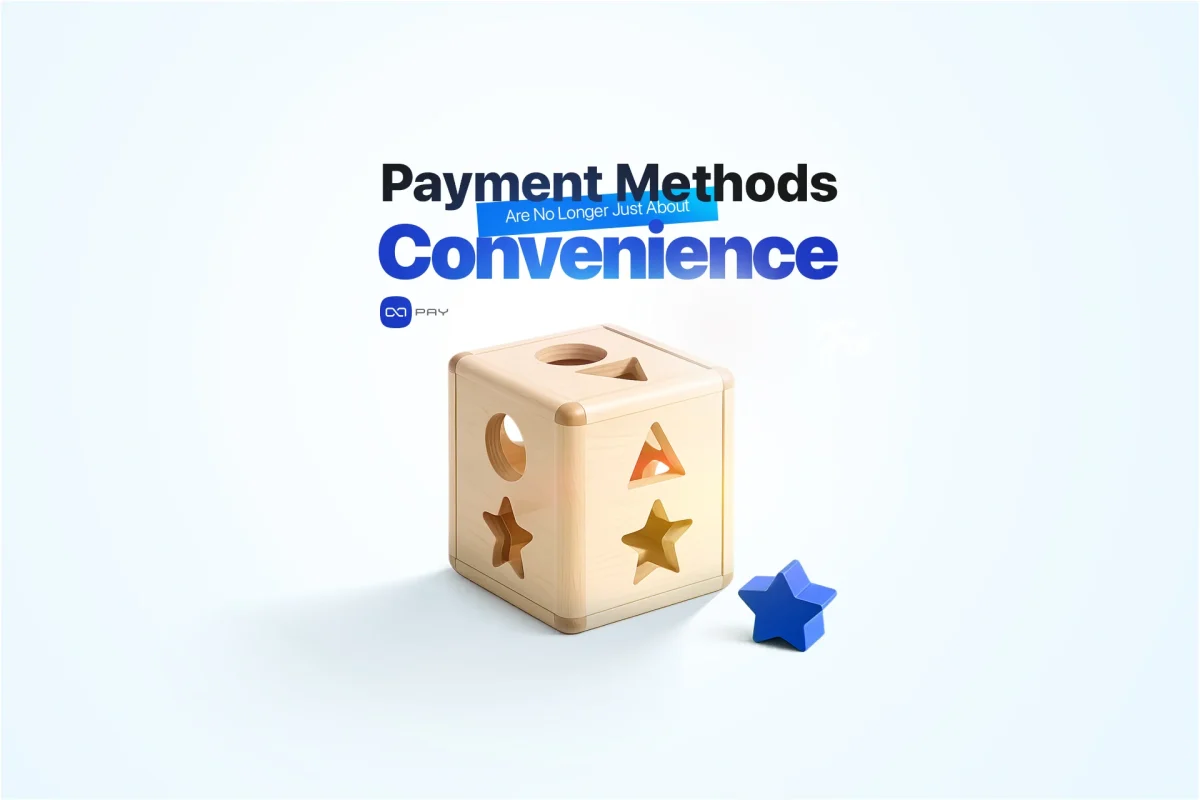
روشهای پرداخت دیگر فقط درباره راحتی نیستند
یکی از بزرگترین سوءبرداشتها در تجارت الکترونیک این است که ارائه روشهای پرداخت بیشتر بهطور خودکار عملکرد را بهتر میکند.
در عمل، روش پرداخت فقط زمانی مفید است که با انتظار مشتری و واقعیت عملیاتی هماهنگ باشد.
یک مشتری در یک کشور ممکن است کیف پول دیجیتال را بهشدت ترجیح دهد. مشتری دیگری شاید به انتقال بانکی بیشتر از کارت اعتماد کند. خریداران Mobile-first اغلب متفاوت از کاربران دسکتاپ رفتار میکنند. کسبوکارهای اشتراکی به قابلیت اطمینان پرداخت تکرارشونده اهمیت زیادی میدهند، در حالی که کسبوکارهای محصولات دیجیتال ممکن است سرعت و سادگی را بالاتر از هر چیز دیگری قرار دهند.
به همین دلیل استراتژی پرداخت مدرن بیش از تعداد روشهای پرداخت، به درک رفتار وابسته شده است.
کسبوکارها اکنون روشهای پرداخت را با سؤالهایی مانند این ارزیابی میکنند:
- کدام روشها رهاکردن Checkout را کاهش میدهند؟
- کدام روشها کمترین سربار عملیاتی را ایجاد میکنند؟
- مشتریان از قبل به کدام روشها اعتماد دارند؟
- کدام روشها بهطور کارآمد تسویه میشوند؟
- کدام روشها در چند منطقه بهصورت قابلاعتماد کار میکنند؟
پاسخ بهندرت برای همه یکسان است.
کارتهای اعتباری ممکن است همچنان در سطح جهانی غالب باشند، اما سیستمهای پرداخت محلی در بسیاری از مناطق بسیار اثرگذارند. کیف پولهای دیجیتال همچنان رفتار Checkout موبایلی را تغییر میدهند. استیبلکوینها و پرداختهای بلاکچینی نیز بهتدریج به ابزارهای عملیاتی برای کسبوکارهای بینالمللی تبدیل میشوند که بهدنبال مدل تسویه سریعتر و مستقیمتر هستند.
نکته مهم این نیست که یک روش پرداخت جایگزین روش دیگری شود.
موضوع این است که کسبوکارهای آنلاین اکنون در محیط پرداختی پراکنده فعالیت میکنند که انتظارات مشتری براساس جغرافیا، پلتفرم، صنعت و زمینه پرداخت تفاوت زیادی دارد.
پشت هر پرداخت موفق یک سیستم عملیاتی قرار دارد
مشتریان معمولاً پرداخت را بهصورت یک تعامل ساده تجربه میکنند.
یک دکمه را میزنند، تراکنش را تأیید میکنند و انتظار تأیید نهایی دارند.
اما از نظر عملیاتی، پشت صحنه اتفاقات بسیار بیشتری رخ میدهد.
سیستمهای پرداخت مدرن چند لایه را همزمان هماهنگ میکنند. درگاههای پرداخت، پردازشگرها، سیستمهای ضدتقلب، منطق تسویه، مانیتورینگ تراکنش، جریانهای تطبیق و reconciliation، اعلانهای مشتری، ردیابی تأییدها، سیستمهای گزارشدهی و استانداردهای امنیت پرداخت همگی ممکن است بر نحوه حرکت یک تراکنش در چرخه عمر خود اثر بگذارند.
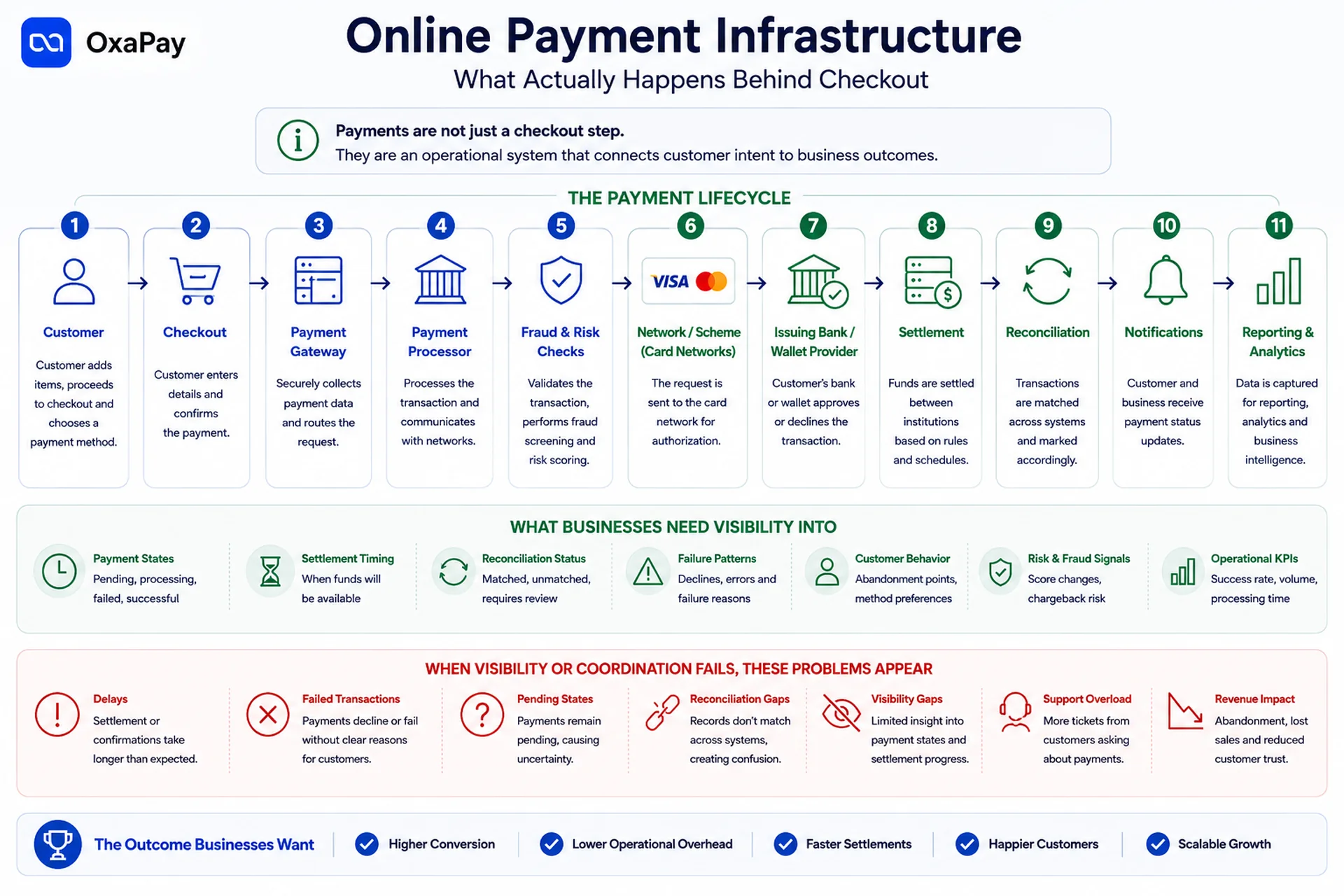
با مقیاسگرفتن کسبوکار، این لایههای عملیاتی اهمیت بیشتری پیدا میکنند.
یک کسبوکار کوچک با چند تراکنش در روز میتواند مشکلات پرداخت را دستی بررسی کند. اما یک کسبوکار بزرگ که هزاران تراکنش را در چند کشور پردازش میکند نمیتواند برای مدت طولانی به جریانهای دستی تکیه کند.
اینجاست که زیرساخت عملیاتی پرداخت حیاتی میشود.
مشکلات شفافیت پرداخت
کسبوکارها بیش از گذشته به دیدن وضعیتهای مختلف پرداخت نیاز دارند، نه فقط نتیجه نهایی. باید بدانند کدام تراکنشها تأخیر دارند، کدام هنوز Pending هستند، کدام ناموفق شدهاند، کدام با موفقیت تسویه شدهاند و کدام به ارتباط با مشتری یا بررسی عملیاتی نیاز دارند.
خود پرداخت فقط به یکی از اجزای یک سیستم عملیاتی بزرگتر تبدیل میشود.
این تغییر ظریف است، اما اهمیت بسیار زیادی دارد.
بسیاری از مشکلات پرداخت در واقع مشکل Checkout نیستند
بسیاری از مشکلاتی که کسبوکارها در پرداخت تجربه میکنند در واقع از Checkout ناشی نمیشوند. آنها مشکل شفافیت، reconciliation، ارتباط یا هماهنگی Workflow هستند که در مراحل بعدی چرخه پرداخت ظاهر میشوند.
برای مثال، ممکن است تراکنش در سطح پردازشگر با موفقیت تسویه شود، اما سیستم داخلی سفارش همچنان پرداخت را Pending نشان دهد، چون reconciliation میان سیستمها ناموفق بوده است. از دید مشتری، پرداخت انجام شده؛ اما از نظر عملیاتی، جریان سفارش اکنون شکسته است.

چرا اصطکاک پرداخت بیسروصدا درآمد را کاهش میدهد
بیشتر مشتریان هرگز توضیح نمیدهند چرا Checkout را رها کردهاند.
فقط صفحه را ترک میکنند.
گاهی علت واضح است؛ مانند تراکنش ناموفق یا روش پرداخت پشتیبانینشده. اما بسیاری از انواع اصطکاک پرداخت کوچکتر و سختتر قابلشناسایی هستند.
اصطکاک کوچک اغلب مشکل بزرگتری در Conversion ایجاد میکند
صفحه پرداخت روی موبایل کمی کند بارگذاری میشود. پیام تأیید واضح نیست. تبدیل ارز بهشکل غیرمنتظره در مرحله آخر Checkout ظاهر میشود. پرداخت بیشتر از انتظار مشتری در وضعیت «Processing» میماند. رابط کاربر ناگهان از چند صفحه ناآشنا عبور میکند.
هیچکدام از این موارد بهتنهایی فاجعهآمیز به نظر نمیرسند.
اما در کنار هم عدم قطعیت ایجاد میکنند.
و عدم قطعیت یکی از بزرگترین عوامل نابودکننده Conversion در پرداخت آنلاین است.
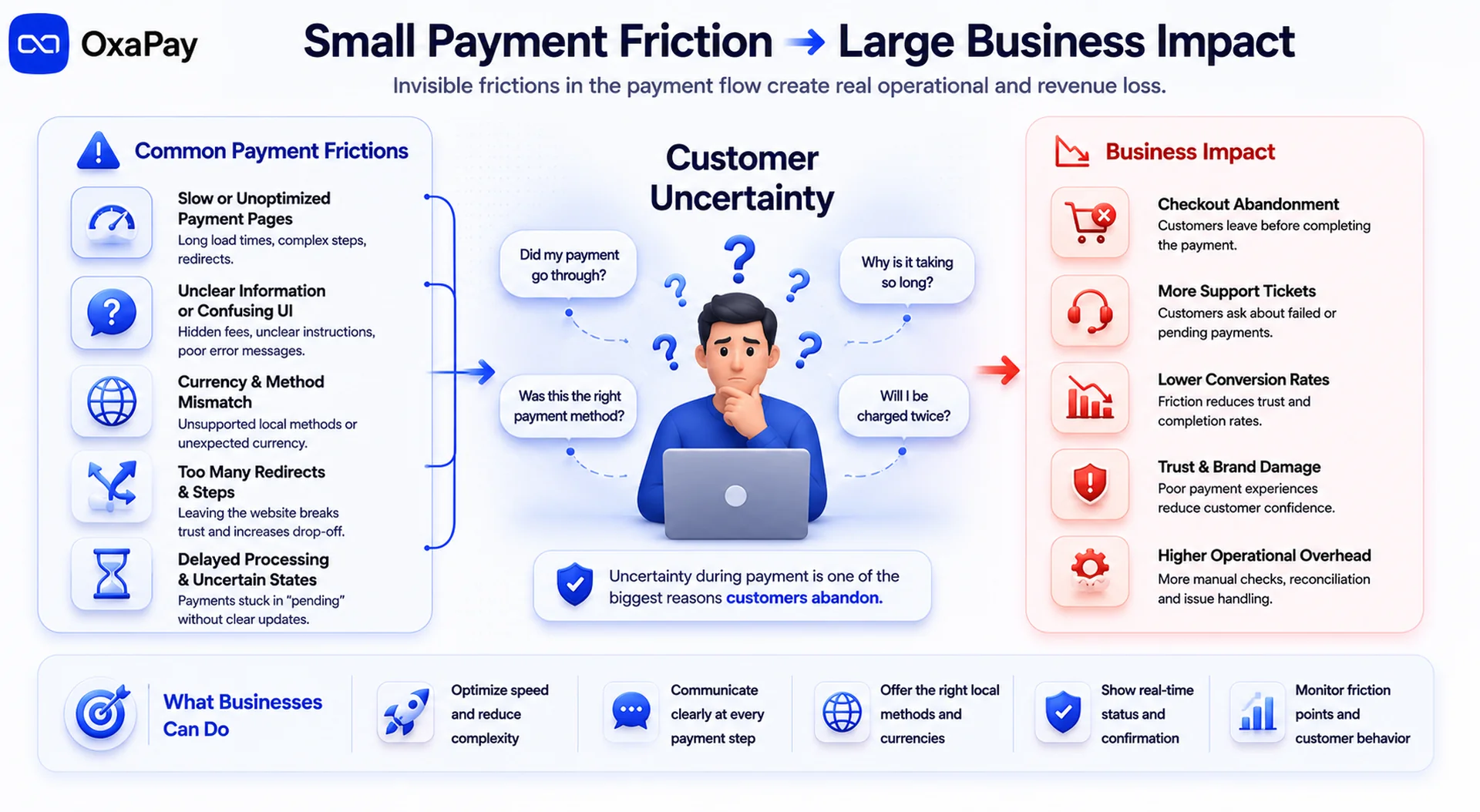
این موضوع بهویژه در Checkout موبایل دیده میشود؛ جایی که حتی تأخیرهای کوچک یا وضعیت پردازش نامشخص میتواند باعث شود مشتری پیش از تکمیل کامل چرخه پرداخت، تراکنش را رها کند.
اعتماد هنگام پرداخت شکنندهتر میشود
مشتریان هنگام پرداخت حساستر میشوند، زیرا این لحظهای است که اعتماد، پول و تعهد به هم میرسند. حتی سیستم پرداختی که از نظر فنی موفق است میتواند Conversion را کاهش دهد، اگر تجربه آن غیرقابلپیشبینی یا گیجکننده باشد.
پرداخت بینالمللی سطح متفاوتی از پیچیدگی ایجاد میکند
بهمحض اینکه کسبوکار شروع به ارائه خدمات به مشتریان جهانی میکند، دشواری عملیاتی پرداخت بهشدت افزایش مییابد.
سیستمهای پرداخت داخلی معمولاً قابلپیشبینیترند، زیرا انتظارات مشتری، ارزها، ریلهای بانکی و رفتار تسویه نسبتاً ثابت میمانند. تجارت بینالمللی این فرضها را تغییر میدهد و مجموعه تازهای از چالشهای پرداخت برونمرزی را ایجاد میکند که کسبوکار هنگام ورود به بازارهای جدید باید حل کند.
تجارت بینالمللی این فرضها را تغییر میدهد.
اکنون کسبوکارها باید به این موارد توجه کنند:
- ترجیحات منطقهای پرداخت
- انتظارات محلی از Checkout
- تغییرپذیری تسویه
- مدیریت چندارزی
- تفاوت در اعتماد به تراکنش
- رفتار پرداخت موبایلی
- قابلیت اطمینان پرداخت بینالمللی
- شفافیت عملیاتی در بازارهای مختلف
پرداخت برونمرزی عدم قطعیت عملیاتی ایجاد میکند
تراکنشهای برونمرزی اغلب عدم قطعیت بیشتری وارد خود فرایند پرداخت میکنند. زمان تسویه ممکن است متغیر باشد. رفتار Approval ممکن است ناسازگار شود. مشتری ممکن است به تجربه پرداخت ناآشنا اعتماد نکند. مدیریت ارز حتی پیش از پایان Checkout نیز میتواند اصطکاک ایجاد کند.
یک کسبوکار فروش محصولات دیجیتال در سطح بینالمللی ممکن است ببیند مشتری پرداخت را با موفقیت تکمیل کرده، اما شفافیت داخلی درباره تسویه همچنان با تأخیر همراه است. از نظر عملیاتی، این عدم قطعیت ایجاد میکند. مشتری انتظار تحویل فوری دارد، در حالی که کسبوکار شاید هنوز منتظر تأییدی باشد که نشان دهد پرداخت میتواند با اطمینان وارد وضعیت Completed شود.
به همین دلیل تجارت الکترونیک جهانی بیش از صرفاً در دسترسبودن روش پرداخت، به سازگاریپذیری پرداخت وابسته شده است.
پرداخت بلاکچینی یک مدل عملیاتی متفاوت معرفی کرد
پرداخت بلاکچینی چیزی بیشتر از سرعت تسویه را تغییر داد.
بخشی از فرضهای بنیادی زیرساخت پرداخت آنلاین را نیز تغییر داد.
سیستمهای سنتی معمولاً به هماهنگی گسترده میان واسطهها متکی هستند. بانکها، پردازشگرها، شبکههای کارت و مؤسسات مالی در تأیید تراکنش، تسویه و مدیریت قابلیت بازگشت تراکنش نقش دارند.
سیستمهای بلاکچینی با اعتماد به شکل متفاوتی برخورد میکنند.
تراکنشها بهجای تأیید متمرکز مؤسسات، با اجماع شبکه و اعتبارسنجی رمزنگاریشده تأیید میشوند. از نظر عملیاتی، این موضوع نحوه حرکت پرداخت در سیستم را تغییر میدهد.
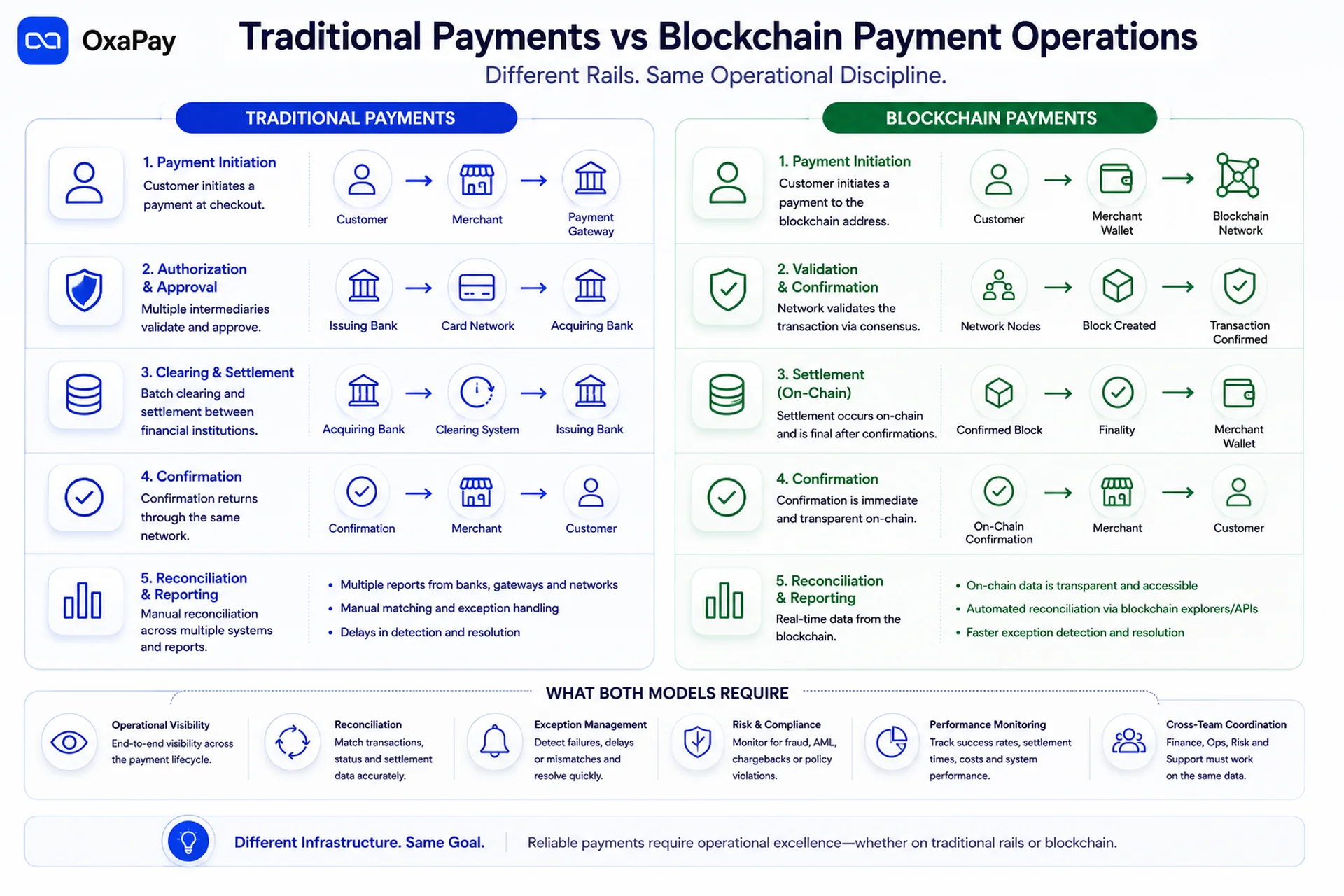
پرداخت بلاکچینی مسئولیت عملیاتی را جابهجا میکند
اما این به آن معنا نیست که پرداخت کریپتو از نظر عملیاتی «سادهتر» است.
در بسیاری از موارد، مسئولیت را به حوزههای دیگری منتقل میکند.
کسبوکارهایی که پرداخت بلاکچینی میپذیرند باید وضعیت تراکنش را دقیقتر درک کنند. مشاهده تراکنش روی زنجیره همیشه به این معنا نیست که باید فوراً آن را از نظر عملیاتی نهایی در نظر گرفت. مدیریت تأییدها، انقضای Invoice، تراکنشهای Underpaid، انتخاب شبکه و مانیتورینگ تراکنش همگی به بخشهای مهم عملیات پرداخت تبدیل میشوند.
شفافیت تأییدها از نظر عملیاتی حیاتی میشود
برای مثال، کسبوکاری که خدمات دیجیتال ارائه میدهد ممکن است تراکنش بلاکچینی را تقریباً فوری تشخیص دهد، اما همچنان منتظر تعداد کافی تأییدهای شبکه بماند تا پرداخت را از نظر عملیاتی امن بداند. از دید مشتری، پرداخت از قبل تکمیلشده به نظر میرسد. اما در پشت صحنه کسبوکار هنوز در حال مدیریت ریسک تأیید است.
این موضوع در محیطهای پرتراکنش اهمیت بیشتری دارد؛ جایی که تراکنشها از چند شبکه با رفتار تأیید، ویژگیهای تسویه و پروفایل ریسک عملیاتی متفاوت وارد میشوند.
به همین دلیل زیرساخت پرداخت کریپتو مدرن بیش از اتصال ساده کیف پول، بر مدیریت وضعیت پرداخت تمرکز دارد.
لایه عملیاتی مهم فقط خود بلاکچین نیست؛ بلکه سیستم هماهنگی ساختهشده پیرامون رفتار تراکنش بلاکچینی است.
هماهنگی پرداخت در مقیاس اهمیت بیشتری پیدا میکند
هرچه محیط پرداخت میان سیستمهای سنتی و بلاکچینی پراکندهتر شود، هماهنگی عملیاتی برای کسبوکارهایی که پرداخت را در مقیاس بالا مدیریت میکنند اهمیت بیشتری مییابد.
برای کسبوکارهای آنلاین، این موضوع هنگام مدیریت تراکنشهای بینالمللی، محصولات دیجیتال، جریانهای اشتراک یا محیطهای پرتراکنش که نظارت دستی دیگر عملی نیست، ارزش ویژهای دارد.
شفافیت پرداخت در حال تبدیلشدن به مزیت رقابتی است
با پیچیدهترشدن سیستمهای پرداخت، شفافیت ارزش بیشتری پیدا میکند.
کسبوکارها بیش از گذشته نیاز دارند آنچه در طول چرخه پرداخت از نظر عملیاتی رخ میدهد ببینند، نه اینکه فقط نتیجه نهایی تراکنش را دریافت کنند.
این شامل درک موارد زیر است:
- وضعیتهای پرداخت
- زمان Settlement
- الگوهای تراکنش ناموفق
- رفتار پرداخت مشتری
- گلوگاههای عملیاتی
- پیشرفت تأییدها
- ناهنجاریهای تراکنش
- فرصتهای بازیابی
عملیات واکنشی پرداخت در مقیاس خوب عمل نمیکند
بدون شفافیت، عملیات پرداخت واکنشی میشود.
تیمها زمان بیشتری را صرف بررسی دستی مشکلات، رفع سردرگمی مشتری، reconciliation مغایرت تراکنش و رسیدگی به Escalationهای پشتیبانی میکنند.
این یکی از دلایلی است که سیستمهای پرداخت مدرن بیش از صرفاً پذیرش تراکنش، بر هوشمندی عملیاتی رقابت میکنند.
کسبوکارها اکنون داشبورد، ردیابی تراکنش، Callbackهای خودکار، پشتیبانی از reconciliation، تحلیل داده و مانیتورینگ عملیاتی بلادرنگ را بهعنوان قابلیتهای عادی زیرساخت انتظار دارند.
لایه پرداخت در حال ادغام عمیق با خود تصمیمگیری عملیاتی است.
پرداخت آنلاین در حال تبدیلشدن به زیرساخت استراتژیک است
یکی از مهمترین تغییرات تجارت الکترونیک مدرن این است که سیستمهای پرداخت دیگر صرفاً ابزار مالی نیستند.
آنها سیستمهای عملیاتی با اثر مستقیم بر رشد هستند.
سیستمهای پرداخت اکنون بر رشد کسبوکار اثر میگذارند
یک سیستم پرداخت بر سرعت شکلگیری اعتماد مشتری به تجربه Checkout، کارایی عملیات کسبوکار و سهولت توسعه شرکت در بازارهای بینالمللی اثر میگذارد. همچنین حفظ مشتری، نرخ Conversion، حجم کار پشتیبانی و مقیاسپذیری بلندمدت را شکل میدهد.
این موضوع نحوه ارزیابی تصمیمهای پرداخت توسط کسبوکار را تغییر میدهد.
سؤال دیگر صرفاً این نیست:
آیا این ارائهدهنده میتواند تراکنشها را پردازش کند؟
کسبوکارهای مدرن بیشتر میپرسند:
آیا این زیرساخت پرداخت میتواند بدون افزایش اصطکاک برای مشتری یا پیچیدگی برای تیمهای داخلی، از رشد عملیاتی بلندمدت پشتیبانی کند؟
این نوع کاملاً متفاوتی از تصمیم است.
و نشان میدهد پرداخت تا چه اندازه به مرکز کسبوکار دیجیتال مدرن تبدیل شده است.
نتیجهگیری
پرداخت آنلاین برای کسبوکار دیگر یک رویداد مالی جداگانه در حاشیه Checkout نیست. پرداخت بیش از گذشته بر نحوه کار داخلی کسبوکار، تجربه اعتماد مشتری در زمان تراکنش و شیوه مقیاسگیری شرکت در بازارها، محیطهای پرداخت و سیستمهای عملیاتی اثر میگذارد.
با پراکندهترشدن اکوسیستم پرداخت میان مناطق، دستگاهها، شبکهها و مدلهای تسویه، چالش واقعی دیگر فقط پذیرش پرداخت نیست. مسئله، هماهنگکردن شفافیت، قابلیت اطمینان عملیاتی، تفسیر تراکنش و تجربه مشتری در جریانهای پرداختی است که روزبهروز پیچیدهتر میشوند. در تجارت الکترونیک مدرن، زیرساخت پرداخت به بخشی از معماری عملیاتی خود کسبوکار تبدیل شده است، بهویژه برای شرکتهایی که در حال ساخت زیرساخت پرداخت تجاری مقیاسپذیر در چند بازار و محیط پرداخت هستند.