یک سیستم اهدای کمک مالی برای پذیرش کمکهای مالی رمزارزی اغلب بهاشتباه فقط یک سازوکار ساده پرداخت در نظر گرفته میشود.
این مقاله توضیح میدهد سیستمهای اهدای کمک مالی چگونه ساختاربندی میشوند، چه مؤلفههایی اساس مدلهای سنتی را شکل میدهند و سیستمهای مبتنی بر رمزارز چگونه معماری زیربنایی را تغییر میدهند. هدف، بررسی رفتار یا روانشناسی نیست؛ بلکه ارائه درکی روشن در سطح سیستم برای سازمانهایی است که کمکهای مالی را در مقیاس بالا مدیریت میکنند.
یک سیستم اهدای کمک مالی واقعاً چیست
سیستم اهدای کمک مالی فقط یک روش پرداخت نیست.
این سیستم یک لایه زیرساخت مالی و دادهای است که موارد زیر را مدیریت میکند:
- ورود وجوه (پول چگونه وارد سیستم میشود)
- دستهبندی تراکنشها (کمکهای مالی چگونه شناسایی میشوند)
- انتساب (کدام کمپین یا منبع، کمک مالی را ایجاد کرده است)
- تسویه (وجوه چگونه نهایی و قابلاستفاده میشوند)
- گزارشدهی (فعالیت مالی چگونه ساختاربندی و تحلیل میشود)
به بیان دیگر، یک سیستم اهدای کمک مالی بیشتر به یک سیستمعامل مالی شباهت دارد تا یک ابزار ساده پرداخت.
این تمایز مهم است، زیرا تعیین میکند ساختار جذب کمکهای مالی در طول زمان تا چه اندازه مقیاسپذیر و قابلکنترل باشد.
معماری سیستم سنتی اهدای کمک مالی
سیستمهای سنتی اهدای کمک مالی بر ریلهای مالی قدیمی مانند بانکها، شبکههای کارت و پردازشگرهای پرداخت متمرکز ساخته شدهاند.
از منظر ساختاری، معمولاً شامل موارد زیر هستند:
ریلهای پرداخت متمرکز
همه تراکنشها از واسطههایی مانند موارد زیر عبور میکنند:
- بانکها
- شبکههای کارت
- پردازشگرهای پرداخت
این ساختار وابستگی به سیستمهای مالی خارجی ایجاد میکند.
محدودیتهای ارزی و منطقهای
سیستمهای سنتی اغلب:
- مختص یک ارز هستند
- به منطقه جغرافیایی وابستهاند
- با روابط بانکی محدود میشوند
این موضوع یکپارچگی جهانی را محدود میکند.
ردیابی مالی جزیرهای
دادههای کمک مالی اغلب میان بخشهای زیر پراکندهاند:
- درگاههای پرداخت
- صورتحسابهای بانکی
- صفحهگستردههای داخلی
این وضعیت باعث پراکندگی دید مالی میشود.
توسعهپذیری محدود سیستم
افزودن روشهای جدید اهدای کمک یا توسعه به بازارهای جدید معمولاً نیازمند موارد زیر است:
- یکپارچهسازیهای جدید
- قراردادهای جدید
- لایههای زیرساختی اضافی
این سیستم ذاتاً ماژولار نیست.
محدودیتهای ساختاری سیستمهای سنتی
محدودیتهای سیستمهای سنتی اهدای کمک مالی در درجه اول عملیاتی یا مرتبط با تجربه کاربری نیستند؛ بلکه معماری هستند.
نبود لایه داده یکپارچه
دادههای کمک مالی بهصورت بومی میان کانالهای پرداخت یکپارچه نیستند.
پشتیبانی ضعیف بومی از پرداخت برونمرزی
جریانهای بینالمللی کمک مالی به لایههای خارجی تبدیل ارز و تسویه نیاز دارند.
زیرساخت مالی سخت و انعطافناپذیر
سیستم به قوانین از پیش تعریفشده زیرساخت بانک و کارت وابسته است.
انعطاف محدود در داراییها
فقط ارزهای فیات یا ابزارهای پرداخت مشخص پشتیبانی میشوند.
این محدودیتها سقف مقیاسپذیری سیستمهای سنتی اهدای کمک مالی را تعیین میکنند.
سیستمهای اهدای کمک مالی رمزارزی در سطح زیرساخت چه چیزی را تغییر میدهند
سیستمهای اهدای کمک مالی رمزارزی شیوهای اساساً متفاوت برای نگاه به پرداخت و زیرساخت مالی ارائه میکنند.
بهجای اتکا به واسطههای مالی سنتی مانند بانکها، شبکههای کارت و پردازشگرهای پرداخت متمرکز، این سیستمها روی شبکههای بلاکچین فعالیت میکنند؛ جایی که تراکنشها مستقیماً در یک دفترکل توزیعشده مشترک.
برای درک صحیح این تغییر، باید دو لایه تغییر را از هم جدا کرد:
- آنچه در درک مفهومی پرداخت تغییر میکند
- آنچه در طراحی ساختاری سیستم تغییر میکند
این تفکیک مانع از آمیختن رفتار عملیاتی با معماری سیستم میشود.
مدل سنتی (نمای سادهشده)
در سیستمهای سنتی اهدای کمک مالی:
- پول از طریق بانکها یا ارائهدهندگان پرداخت جابهجا میشود
- هر تراکنش به تأیید خارجی و سیستمهای مسیریابی وابسته است
- تسویه، ردیابی و تطبیق اغلب در لایههای جداگانه انجام میشوند
- انتقالهای بینالمللی به زیرساخت اضافی تبدیل ارز و واسطهگری نیاز دارند
در نتیجه، سیستم:
متمرکز، پراکنده و وابسته به واسطههای مالی است
مدل رمزارزی (نمای سادهشده)
در سیستمهای اهدای کمک مالی رمزارزی:
- تراکنشها مستقیماً روی شبکههای بلاکچین ثبت میشوند
- اعتبارسنجی به مؤسسات بانکی وابسته نیست
- چندین دارایی دیجیتال میتوانند در یک چارچوب عملیاتی واحد وجود داشته باشند
- تسویه بر اساس تأیید بلاکچینی تعیین میشود، نه چرخههای بانکی
در نتیجه، سیستم:
مستقیمتر، یکپارچهتر و ذاتاً جهانی میشود
تغییر ساختاری واقعی
تفاوت اصلی فقط در فناوری نیست؛ بلکه در فلسفه طراحی سیستم است.
- سیستمهای سنتی پرداختها را از طریق لایههای نهادی پردازش میکنند
- سیستمهای رمزارزی پرداختها را از طریق یک دفترکل جهانی مشترک ثبت و تسویه میکنند
این موضوع وابستگی به جغرافیا، دسترسی بانکی و زیرساخت مالی منطقهای را بهطور بنیادی حذف میکند.
پشتیبانی بومی از چند دارایی
سیستمهای اهدای کمک مالی رمزارزی به مدل تکارزی محدود نیستند.
آنها میتوانند چندین دارایی را در یک چارچوب یکپارچه پشتیبانی کنند:
- BTC
- ETH
- استیبلکوینها
- سایر داراییهای مبتنی بر بلاکچین
این ساختار وابستگی به یک ابزار مالی واحد را حذف میکند و اجازه میدهد کمکهای مالی همزمان از چند لایه ارزش عبور کنند.
لایه تراکنش یکپارچه
همه تراکنشها بهصورت بومی روی زنجیره وجود دارند و میتوان آنها را در یک لایه یکپارچه ردیابی و گزارشدهی ساختاربندی کرد.
این امکان میدهد:
- گزارشدهی مالی سازگار میان داراییها
- دید یکپارچه در چندین زنجیره
- رکوردهای استانداردشده تراکنش
بهجای دادههای پراکنده در سیستمهای مختلف، فعالیتهای مربوط به کمک مالی از نظر ساختاری یکپارچه میشوند.
قابلیت بومی برونمرزی
سیستمهای رمزارزی ذاتاً با طراحی جهانی ساخته شدهاند.
این یعنی:
- عدم وابستگی به سیستمهای بانکی منطقهای
- عدم نیاز به تبدیل ارز در نقطه ورود
- تسویه مستقیم در سطح بینالمللی
در سطح زیرساخت، سیستم میان تراکنشهای داخلی و بینالمللی تفاوتی قائل نمیشود.
جریانهای مالی برنامهپذیر
سیستمهای اهدای کمک مالی رمزارزی میتوانند منطق قابلپیکربندی را نیز وارد جریان مالی کنند.
این امکان میدهد:
- مسیریابی کمکهای مالی بر اساس کمپینها یا قوانین
- تخصیص خودکار وجوه
- رفتار از پیش تعریفشده تسویه
از این منظر، سیستمهای اهدای کمک مالی به زیرساختی برنامهپذیر تبدیل میشوند، نه یک خط لوله پرداخت ثابت.

معماری اصلی سیستمهای اهدای کمک مالی رمزارزی (لایه پیادهسازی)
یک سیستم اهدای کمک مالی رمزارزی فقط یک تغییر مفهومی نیست؛ مجموعهای از لایههای متصل است که با یکدیگر کار میکنند.
بهجای نگاهکردن به این لایهها بهعنوان اجزای جدا، دقیقتر است که آنها را یک جریان عملیاتی پیوسته درون سیستم در نظر بگیریم.
این ساختار، فهرست ایستای قبلی را با زنجیرهای روان از عملیات جایگزین میکند که هر لایه به لایه قبل وابسته است.
میتوان آن را پنج لایه متصل در نظر گرفت:
۱. لایه ورود (دریافت کمکهای مالی)
این همان جایی است که کمکهای مالی وارد سیستم میشوند.
این لایه موارد زیر را مدیریت میکند:
- دریافت پرداختهای رمزارزی
- ایجاد آدرسها یا لینکهای پرداخت
- پذیرش چندین دارایی
۲. لایه مدیریت دارایی (پشتیبانی از چند رمزارز)
رمزارزهای مختلف رفتار متفاوتی دارند.
این لایه:
- کوینها و شبکههای مختلف را تشخیص میدهد
- اطمینان میدهد بهدرستی پردازش شوند
- آنها را در داخل سیستم بهشکل سازگار نگه میدارد
۳. لایه ردیابی (انتساب)
این لایه فعالیت مالی را به زمینه و معنا متصل میکند.
کمکهای مالی را به موارد زیر مرتبط میکند:
- کمپینها
- صفحات
- منابع (محلی که کمک مالی از آن آمده است)
بدون این لایه، کمکهای مالی صرفاً تراکنشهایی جدا و بدون زمینه باقی میمانند.
۴. لایه تسویه (قابلاستفاده کردن وجوه)
پس از تأیید، وجوه باید برای سازمان قابلاستفاده شوند.
این لایه:
- وضعیت نهاییشدن بلاکچین را تأیید میکند
- وجوه را بهصورت داخلی سازماندهی میکند
- آنها را برای برداشت یا استفاده آماده میکند
۵. لایه گزارشدهی (دیدپذیری)
این لایه تراکنشهای خام را به درک مالی ساختاریافته تبدیل میکند.
موارد زیر را نمایش میدهد:
- مجموع کمکهای مالی
- تفکیک بر اساس دارایی
- عملکرد کمپین
- سوابق تاریخی
این لایهها در کنار هم یک سیستم پیوسته را تشکیل میدهند، نه مجموعهای از قابلیتهای جداگانه.
جایگاه سیستمهای اهدای کمک مالی رمزارزی در سازمانها
سیستمهای اهدای کمک مالی رمزارزی ابزارهایی مستقل و جدا از سایر بخشها نیستند.
آنها درون ساختار مالی بزرگتر یک سازمان قرار میگیرند.
میتوان آنها را لایه ورودی یک سیستم جهانی جذب کمک مالی دانست.
نقاط رایج یکپارچهسازی:
۱. کمپینهای جذب کمک مالی
زمانی استفاده میشود که سازمانها موارد زیر را اجرا میکنند:
- کمپینهای اهدای کمک
- رویدادهای جمعآوری کمک مالی
- کمپینهای هدفمند
سیستم کمک میکند هر کمپین بهطور واضح جدا و ردیابی شود.
۲. تأمین مالی مبتنی بر محتوا
مورد استفاده توسط:
- تولیدکنندگان محتوا
- پلتفرمهای رسانهای
- ارائهدهندگان محتوای آموزشی
در این مدل، کمکهای مالی به محتوا متصلاند، نه به حسابهای بانکی.
۳. عملیات سازمانهای غیرانتفاعی
مورد استفاده NGOهایی که:
- کمکهای مالی جهانی دریافت میکنند
- چندین ارز را مدیریت میکنند
- به گزارشدهی ساختاریافته نیاز دارند
نکته اصلی:
سیستمهای اهدای کمک مالی رمزارزی جایگزین امور مالی سازمان نمیشوند.
بلکه نقش زیر را دارند:
نقطه ورود اصلی جریان مالی جهانی
ملاحظات طراحی عملیاتی
هنگام طراحی یا انتخاب یک سیستم اهدای کمک مالی، تمرکز فقط بر «نحوه کار» نیست؛ بلکه باید دید این سیستم در گردشکارهای واقعی سازمانی چگونه رفتار میکند.
بهجای چکلیستهای جداگانه، بهتر است این موارد بهعنوان ابعاد طراحی در نظر گرفته شوند که در طول زمان بر رفتار سیستم اثر میگذارند.
این قالب عمداً توضیحی است نه تصمیممحور، تا ساختار مقاله به یک چکلیست تبدیل نشود.
۱. ساختار جریان کمک مالی
آیا میخواهید:
- یک مخزن یکپارچه برای همه کمکهای مالی
یا
- جریانهای جداگانه مبتنی بر کمپین همراه با ردیابی
این انتخاب تعیین میکند سیستم شما مانند یک قیف واحد عمل کند یا ساختاری چندجریانی داشته باشد.
۲. سطح دیدپذیری داده
برخی سیستمها فقط اعداد کلی را نمایش میدهند.
سیستمهای پیشرفتهتر امکان موارد زیر را فراهم میکنند:
- تفکیک بر اساس منبع
- تفکیک بر اساس دارایی
- ردیابی تاریخی در میان کمپینها
دیدپذیری بیشتر، کنترل مالی بهتری ایجاد میکند.
۳. راهبرد مدیریت دارایی
باید مشخص کنید:
- کدام رمزارزها پشتیبانی میشوند
- آیا داراییها در گزارشدهی تجمیع میشوند یا جداگانه نمایش داده میشوند
این تصمیم مستقیماً بر شفافیت مالی اثر میگذارد.
۴. منطق تسویه
باید مشخص کنید:
- چه زمانی وجوه از نظر عملیاتی قابلاستفاده میشوند
- چگونه بهصورت داخلی گروهبندی میشوند
- چگونه تخصیص داده یا برداشت میشوند
این موضوع ثبات مالی در مقیاس بالا را تعیین میکند.
۵. انعطافپذیری سیستم
یک سیستم مقیاسپذیر باید امکان موارد زیر را فراهم کند:
- افزودن جریانهای جدید کمک مالی
- گسترش کمپینها بدون بازطراحی ساختار
- یکپارچهسازی با ابزارهای خارجی
بدون انعطافپذیری، سیستم در طول زمان از نظر عملیاتی سخت و محدود میشود.
تأثیر زیرساخت اهدای کمک مالی رمزارزی در سطح سیستم
وقتی سیستمهای اهدای کمک مالی رمزارزی وارد یک سازمان میشوند، تغییر فقط فنی نیست.
این تغییر، نحوه ساختاربندی جذب کمک مالی را دگرگون میکند.
۱. ورودی جهانی یکپارچه
بهجای کانالهای پرداخت پراکنده، کمکهای مالی از طریق یک لایه ساختاریافته واحد وارد میشوند.
۲. کاهش وابستگی به سیستمهای بانکی
سازمانها دیگر کاملاً به موارد زیر وابسته نیستند:
- بانکها
- پردازشگرهای پرداخت
- محدودیتهای مالی منطقهای
۳. ردیابی سازگار همه کمکهای مالی
هر کمک مالی میتواند:
- ردیابی شود
- دستهبندی شود
- تحلیل شود
در یک سیستم واحد.
۴. ساختار مقیاسپذیرتر جذب کمک مالی
با رشد سازمانها:
- میتوانند بهسادگی کمپینهای جدید اضافه کنند
- در سطح جهانی توسعه پیدا کنند
- حجم بیشتری از کمکهای مالی را بدون بازطراحی زیرساخت مدیریت کنند
ایده نهایی:
سیستمهای اهدای کمک مالی رمزارزی فقط نحوه دریافت پول را تغییر نمیدهند.
آنها تغییر میدهند:
سازمانها چگونه کل زیرساخت جذب کمک مالی خود را طراحی میکنند.
چرا این لایهها در مقیاس بالا از نظر مالی اهمیت دارند
در مقیاس بالا، سیستمهای اهدای کمک مالی فقط بر اساس قابلیتها ارزیابی نمیشوند؛ بلکه مهم است جریان مالی را در طول زمان، میان داراییها و کمپینها با چه کارایی حفظ و ساختاربندی میکنند.
هر لایه معماری مستقیماً بر عملکرد مالی اثر میگذارد:
لایه ورود ← کارایی جذب درآمد
یک لایه ورود پراکنده باعث از دست رفتن یا ردیابینشدن جریانهای ورودی میشود. یک سیستم ورود یکپارچه، ثبات حجم کمکهای ثبتشده در کانالهای مختلف را افزایش میدهد.
لایه مدیریت دارایی ← تجمیع مالی
بدون نرمالسازی، کمکهای چنددارایی ساختارهای موجودی پراکنده ایجاد میکنند که هزینه تطبیق را بالا میبرد و شفافیت مالی را کاهش میدهد.
لایه ردیابی ← دقت انتساب درآمد
انتساب مشخص میکند آیا سازمان میتواند تشخیص دهد کدام کمپینها واقعاً وجوه ایجاد میکنند یا نه. بدون آن، مقیاسپذیری بدون دید انجام میشود.
لایه تسویه ← دسترسی به نقدینگی
ساختارهای تسویه دیرهنگام یا نامشخص، نقدینگی عملیاتی را کاهش میدهند و سرعت استفاده مجدد از وجوه را محدود میکنند.
لایه گزارشدهی ← کیفیت تصمیمگیری مالی
بدون گزارشدهی ساختاریافته، سازمانها نمیتوانند راهبرد جذب کمک مالی را بهینه کنند یا منابع را بهطور مؤثر تخصیص دهند.
بینش اقتصادی اصلی:
در مقیاس بالا، سیستمهای اهدای کمک مالی مانند شبکههای زیرساخت مالی عمل میکنند.
ارزش اقتصادی آنها در صرفاً پردازش تراکنش نیست، بلکه در موارد زیر است:
- کاهش اتلاف ساختاری
- بهبود دید نسبت به سرمایه
- امکان منطق تخصیص مقیاسپذیر
- حفظ انسجام مالی در چندین جریان ورودی
از این منظر، معماری بهتر مستقیماً به ثبات مالی قویتر و ظرفیت مؤثرتر جذب کمک مالی منجر میشود.
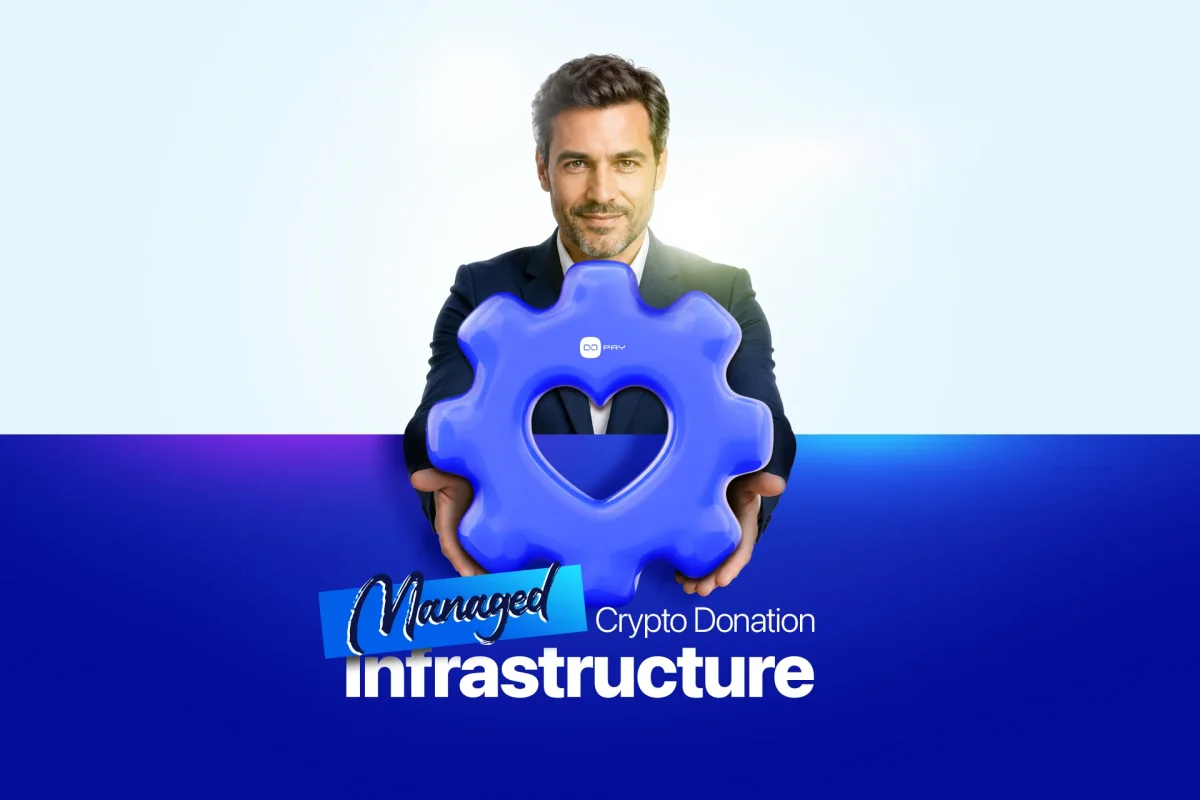
زیرساخت مدیریتشده کمکهای مالی رمزارزی
اگرچه سیستمهای اهدای کمک مالی را میتوان به روشهای مختلف طراحی کرد، پیادهسازیهای مدرن اغلب به سمت مدل زیرساخت مدیریتشده حرکت میکنند که پیچیدگی تعامل با بلاکچین را پنهان کرده و یک لایه عملیاتی یکپارچه برای سازمانها فراهم میکند.
در این مدل، سیستم اهدای کمک مالی بهشکل مجموعهای از آدرسهای خام کیف پول یا تراکنشهای جداگانه در معرض کاربر قرار نمیگیرد. در عوض، بهعنوان یک لایه ساختاریافته میان اهداکنندگان و سیستمهای مالی سازمان عمل میکند.
چنین سیستمهایی معمولاً موارد زیر را فراهم میکنند:
- رابط یکپارچه دریافت کمک مالی برای چندین دارایی
- مدیریت استانداردشده تراکنش در بلاکچینهای مختلف
- منطق خودکار تأیید و تسویه
- انتساب ساختاریافته برای کمپینها و منابع
- گزارشدهی متمرکز و دید مالی
از منظر معماری، این نوع سیستم با اصول کلی توضیحدادهشده در این مقاله همسو است: کاهش پراکندگی، بهبود سازگاری ساختاری و فراهمکردن عملیات مقیاسپذیر برای کمکهای مالی.
یک نمونه از این رویکرد پیادهسازی، OxaPayاست که یک لایه مدیریتشده برای جریانهای کمک مالی رمزارزی فراهم میکند و در عین حال جداسازی میان دریافت پرداخت، ردیابی و لایههای گزارشدهی را حفظ میکند.
جمعبندی نهایی
سیستمهای اهدای کمک مالی نباید صرفاً ابزارهای ساده پرداخت در نظر گرفته شوند. در عوض، باید آنها را سیستمهای زیرساخت مالی دانست که تعیین میکنند سازمانها چگونه کمکها را در میان کمپینها، داراییها و مناطق مختلف جمعآوری، ساختاربندی، ردیابی و مدیریت کنند.
با این حال، سیستمهای سنتی به ریلهای مالی متمرکز و ساختارهای داده پراکنده وابستهاند. در مقابل، سیستمهای اهدای کمک مالی رمزارزی مدیریت یکپارچه دارایی، جریانهای مالی برنامهپذیر و تسویه جهانی بومی را معرفی میکنند. بنابراین، برای مدیریت تأمین مالی مبتنی بر کمکهای مالی، پایهای مقیاسپذیرتر در اختیار سازمانها قرار میدهند.