انتخاب بهترین رمزارز برای پرداخت دیگر فقط سؤال علاقهمندان به کریپتو نیست. برای کسبوکارها، این انتخاب به یک تصمیم عملیاتی تبدیل شده که بر قیمتگذاری، جریان checkout، قابلیت اطمینان تسویه، حسابداری، بازپرداخت و اعتماد مشتری اثر میگذارد.
در نگاه اول بسیاری از رمزارزها هنگام checkout شبیه هم به نظر میرسند. مشتری وجه را ارسال میکند، تراکنش روی زنجیره ظاهر میشود و پرداخت به سمت تکمیل پیش میرود. اما زیر این جریان ساده، رمزارزهای مختلف رفتار بسیار متفاوتی دارند. بعضی برای ثبات بهترند، بعضی برای انتقال کمهزینه، برخی برای سازگاری با اکوسیستم و بعضی دیگر برای آشنایی بیشتر مشتری.
برای پذیرندگان، بهترین رمزارز پرداخت معمولاً آنی نیست که بیشترین هیجان بازار یا بالاترین ارزش بازار را دارد. بهترین گزینه داراییای است که برای کسبوکار و مشتری، قابلاعتمادترین، قابلفهمترین و عملیترین تجربه پرداخت را ایجاد کند.
بهترین رمزارز برای پرداخت به کاربرد بستگی دارد
هیچ رمزارز واحدی برای تمام گردشکارهای پرداخت ایدهآل نیست. یک پلتفرم SaaS با پرداخت اشتراکی ممکن است قیمتگذاری قابلپیشبینی و حسابداری ساده را در اولویت بگذارد. فریلنسری که پرداخت بینالمللی دریافت میکند شاید بیشتر به کارمزد پایین و سرعت انتقال اهمیت دهد. یک فروشگاه آنلاین ممکن است بر آشنایی checkout و اعتماد مشتری تمرکز کند. کسبوکار Web3-native نیز ممکن است داراییهایی را ترجیح دهد که بهطور طبیعی با اکوسیستم فعلی آن هماهنگ باشند.
به همین دلیل، کسبوکارها باید پرداخت رمزارزی را بر اساس رفتار عملیاتی ارزیابی کنند، نه فقط محبوبیت. سؤال بهتر این نیست که «کدام کوین بزرگتر است؟» بلکه این است که «کدام دارایی و شبکه برای این سناریوی پرداخت مشخص، کمترین اصطکاک را ایجاد میکند؟»
در عمل، کسبوکارها اغلب به انعطافپذیری نیاز دارند، نه یک پاسخ ثابت. پشتیبانی از چند رمزارز از طریق یک سرویس پذیرندگی کریپتو OxaPay قابلاعتماد به مشتری اجازه میدهد با دارایی مورد اعتماد خود پرداخت کند و در عین حال عملیات پرداخت کسبوکار منظم باقی بماند.
کسبوکارها واقعاً از پرداخت رمزارزی چه میخواهند
کسبوکارها سیستمهای پرداخت را متفاوت از سرمایهگذاران ارزیابی میکنند. سرمایهگذار ممکن است روی رشد بلندمدت، چرخههای بازار یا ترکیب پرتفوی تمرکز کند. پذیرنده میخواهد بداند آیا پرداخت را میتوان بدون اصطکاک غیرضروری قیمتگذاری، دریافت، تأیید، تطبیق و ثبت کرد یا نه.
عملیترین رمزارزها برای پرداخت کسبوکار معمولاً در چند عامل عملکرد خوبی دارند:
- هزینه تراکنش قابلپیشبینی
- رفتار تسویه قابلاعتماد
- تجربه روشن تأیید
- پشتیبانی قوی کیف پول
- گردشکار حسابداری پایدار
- آشنایی مشتری
- اصطکاک کم در checkout
- جریان پرداخت قابلبازیابی
هیچ رمزارزی در همه دستهها کامل نیست. بیشتر داراییهای پرداختی با مصالحه همراهاند. یک کوین ممکن است قابلاعتماد اما کند باشد، سریع اما کمتر شناختهشده باشد، باثبات اما وابسته به ساختار ناشر باشد، یا کمهزینه اما برای مشتریان کمتر پشتیبانی شود. انتخاب درست به این بستگی دارد که کدام مصالحه برای مدل کسبوکار مهمتر است.
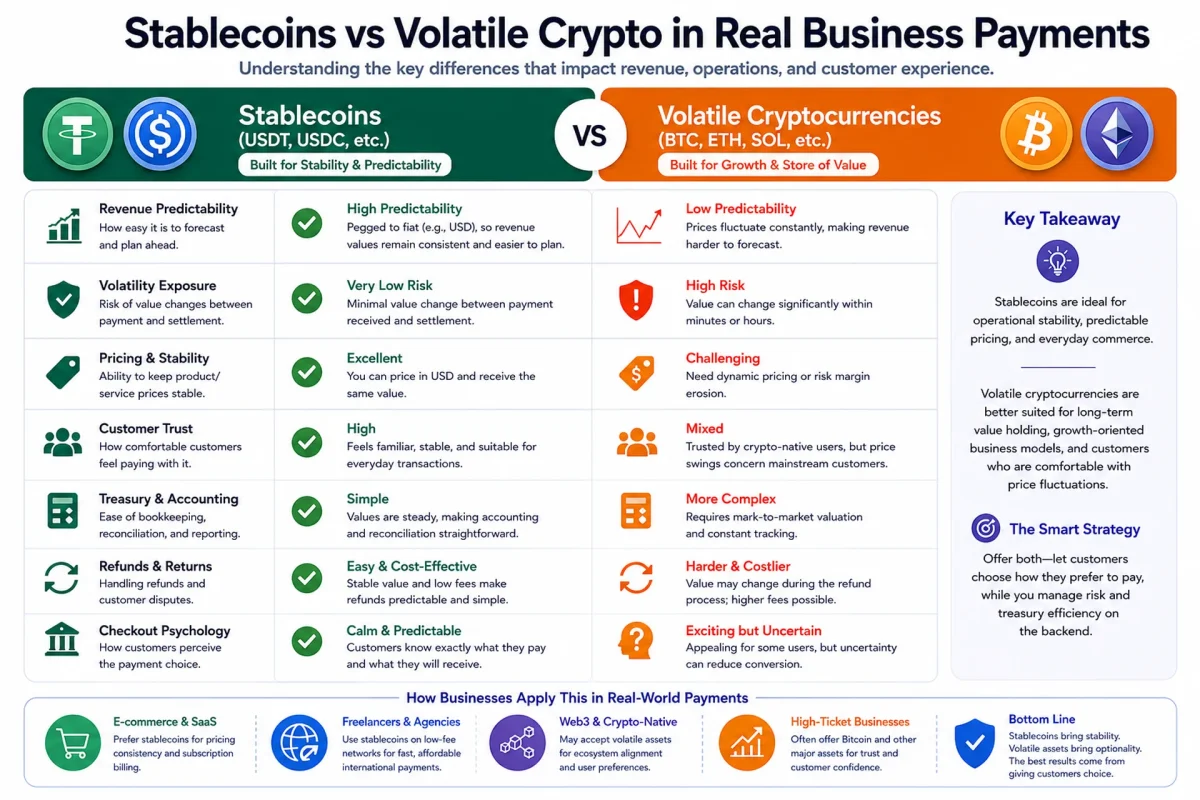
استیبلکوینها: انتخاب عملی پیشفرض برای بسیاری از پرداختهای کسبوکار
استیبلکوینهایی مانند USDT و USDC به بخش مهمی از پرداخت رمزارزی تبدیل شدهاند چون عدمقطعیت قیمت را کاهش میدهند. ارزش آنها طوری طراحی شده که نسبت به ارزهای فیات مانند دلار آمریکا نسبتاً باثبات بماند و این موضوع به کسبوکارها در قیمتگذاری، گزارش درآمد، بازپرداخت و برنامهریزی خزانه کمک میکند.
برای پذیرندگان، استیبلکوینها چند بخش عملیاتی را بهبود میدهند:
- ثبات قیمتگذاری محصول
- پیشبینی درآمد
- گردشکارهای حسابداری
- مدیریت بازپرداخت
- مدیریت خزانه
به همین دلیل استیبلکوینها در تجارت الکترونیک، صورتحساب SaaS، پرداخت B2B، خدمات دیجیتال و تجارت بینالمللی بهطور گسترده استفاده میشوند. کسبوکارهایی که میخواهند این دسته را عمیقتر درک کنند میتوانند راهنمای OxaPay درباره پذیرش پرداخت استیبلکوین.
شبکه پشت استیبلکوین هم اهمیت دارد. USDT روی TRON، Ethereum یا Polygon و همچنین USDC روی شبکههای مختلف میتوانند از نظر سطح کارمزد، سرعت، سازگاری کیف پول و آشنایی کاربر تجربههای پرداخت بسیار متفاوتی ایجاد کنند. مقاله OxaPay درباره بهترین بلاکچین برای پذیرش پرداختهای USDT این تصمیم در سطح شبکه را با جزئیات بیشتری توضیح میدهد.
کسبوکارها باید شفافیت ناشر و گزارش ذخایر را نیز در نظر بگیرند. Circle اطلاعات شفافیت USDC را منتشر میکند و Tether اطلاعات مربوط به ذخایر و گردش توکن USDT را ارائه میدهد. این منابع به کسبوکارها کمک میکنند استیبلکوینها را فراتر از راحتی checkout ارزیابی کنند. شفافیت Circle و شفافیت Tether منابع مفیدی برای بررسی بیشتر هستند.
Bitcoin و Ethereum: شناخت، اعتماد و قدرت اکوسیستم
Bitcoin همچنان شناختهشدهترین رمزارز در جهان است. این شناخت در پرداخت اهمیت دارد، چون مشتریان به دارایی پرداختی که از قبل میشناسند بیشتر اعتماد میکنند. در پرداختهای با ارزش بالا، آشنایی با برند و نقدشوندگی میتواند به اندازه سرعت اهمیت داشته باشد.
Bitcoin از نظر ادراک اعتماد، نقدشوندگی، تمرکززدایی و دسترسی جهانی عملکرد قوی دارد. با این حال، در دورههای شلوغی شبکه، پرداخت Bitcoin ممکن است کندتر یا گرانتر شود. کسبوکارهایی که Bitcoin میپذیرند باید نحوه کار تأییدها و تفسیر وضعیت تراکنش پیش از تحویل سفارش را درک کنند.
راهنمای راهنمای توسعهدهندگان Bitcoin زمینه فنی تراکنشهای Bitcoin را ارائه میدهد، در حالی که راهنمای OxaPay درباره فرایند تأیید پرداخت توضیح میدهد کسبوکارها چگونه منطق تأیید را در گردشکار پذیرندگی تفسیر کنند.
Ethereum نوع دیگری از قدرت را ارائه میدهد. این شبکه عمیقاً با استیبلکوینها، اپلیکیشنهای غیرمتمرکز، قراردادهای هوشمند، پلتفرمهای Web3 و داراییهای توکنیزهشده پیوند دارد. برای کسبوکارهای فعال در اکوسیستم Ethereum، استفاده از ETH و داراییهای مبتنی بر Ethereum عملی است، زیرا کاربران از قبل کیف پول و توکن سازگار دارند.
نقطه ضعف، هزینه gas است. کارمزد Ethereum در زمان اوج فعالیت شبکه میتواند افزایش یابد و برای پرداختهای کوچک اصطکاک ایجاد کند. مستندات رسمی Ethereum توضیح میدهد کارمزد گس چگونه بر پردازش تراکنش و استفاده از شبکه اثر میگذارد.
کسبوکارهایی که این دو دارایی را مقایسه میکنند میتوانند مقاله OxaPay درباره Bitcoin در برابر Ethereum برای سیستمهای پرداخت رمزارزی را نیز بررسی کنند.
شبکههای کمکارمزد اصطکاک checkout را کاهش میدهند
وقتی هزینه تراکنش پایین باشد، تجربه استفاده از پرداخت بهطور چشمگیری تغییر میکند. کارمزد پایین برای خریدهای کوچک، پرداختهای تکراری، محصولات دیجیتال، انتقال بینالمللی و تراکنشهای پرتکرار اهمیت بیشتری دارد. مشتری معمولاً کمتر به معماری بلاکچین اهمیت میدهد و بیشتر میخواهد پرداخت ساده، سریع و ارزان باشد.
به همین دلیل شبکهها و داراییهایی مانند Litecoin, TRON, Solana، و Polygon در محیطهای واقعی پرداخت محبوب شدهاند.
شبکههای کمکارمزد بهخصوص زمانی مفیدند که مبلغ تراکنش آنقدر بزرگ نیست که هزینه بالای شبکه را توجیه کند. برای مثال، یک محصول دیجیتال، تمدید اشتراک، کمک مالی یا سفارش کوچک فروشگاه آنلاین زمانی جذابیت کمتری دارد که مشتری مجبور باشد هنگام checkout کارمزد بالایی بپردازد.
این یکی از دلایلی است که پرداخت استیبلکوین کمکارمزد در تجارت جهانی کریپتو رایج شده است. این مدل ثبات قیمت شبیه فیات را با اصطکاک کمتر انتقال ترکیب میکند، بهخصوص زمانی که شبکه انتخابی از تسویه سریع و ارزان پشتیبانی کند.
Solana و تجربه مدرن پرداخت
Solana بهدلیل تجربه سریع تراکنش و کارمزد بسیار پایین مورد توجه قرار گرفت. در پرداخت، این ویژگیها میتوانند checkout روانتری ایجاد کنند. دیدهشدن سریعتر تأیید و هزینه پایینتر تراکنش، بهخصوص برای کاربران موبایل یا خریدهای کوچک، تردید را کاهش میدهد.
نکته مهمتر فقط سرعت نیست؛ بلکه تأثیر سرعت بر احساس مشتری هنگام checkout است. وقتی پرداخت سریع ظاهر میشود، هزینه کمی دارد و رهگیری آن آسان است، احتمال رهاکردن فرایند توسط مشتری کمتر میشود.
این موضوع مهم است چون پرداخت رمزارزی فقط یک رویداد فنی نیست؛ یک تجربه کاربری است. حتی یک شبکه فنی قدرتمند هم اگر جریان checkout گیجکننده باشد میتواند دشوار به نظر برسد. راهاندازی عملی پرداخت باید عملکرد شبکه را با وضعیت روشن پرداخت، شفافیت فاکتور و راهنمایی مشتری ترکیب کند.
XRP و کاربردهای پرداخت انتقالمحور
XRP معمولاً در ارتباط با کارایی انتقال و جابهجایی برونمرزی ارزش مطرح میشود. نقاط قوت عملی آن اغلب شامل احساس تسویه سریع، هزینه تراکنش نسبتاً پایین و جهتگیری مشخص به سمت پرداخت است.
XRP در checkout تجارت الکترونیک به اندازه استیبلکوین یا Bitcoin غالب نیست، اما برای کسبوکارهایی که به سرعت انتقال و زیرساخت پرداخت اهمیت میدهند همچنان مرتبط است. سؤال اصلی برای پذیرنده این است که آیا مشتریان واقعاً ترجیح میدهند با XRP پرداخت کنند و آیا سیستم پرداخت میتواند این پرداختها را بهطور قابلاعتماد رهگیری، تطبیق و گزارش کند.
شبکههای لایه ۲ مقیاسپذیری پرداخت رمزارزی را تغییر میدهند
یکی از مهمترین تغییرات پرداخت رمزارزی از طریق زیرساخت لایه ۲ رخ میدهد. شبکههای لایه ۲ برای بهبود مقیاسپذیری، کاهش هزینه تراکنش و عملیترکردن پرداخت بلاکچینی در استفاده روزمره طراحی شدهاند.
Lightning Network تلاش میکند پرداختهای Bitcoin را برای تراکنشهای کوچک سریعتر و ارزانتر کند. شبکههای لایه ۲ Ethereum مانند Arbitrum، Base و Optimism بر فعالیت کمهزینهتر در اکوسیستم Ethereum، از جمله انتقال استیبلکوین و پرداخت مبتنی بر اپلیکیشن، تمرکز دارند.
برای کسبوکارها، سیستمهای لایه ۲ مهماند زیرا میتوانند فاصله میان تسویه بلاکچینی و کاربردپذیری پرداخت را کاهش دهند. این حوزه هنوز در حال توسعه است، اما احتمالاً لایه ۲ نقش بزرگتری در تجارت الکترونیک، SaaS، بازی، کالاهای دیجیتال و سناریوهای پرتکرار پرداخت رمزارزی خواهد داشت.
تجربه checkout به اندازه خود کوین اهمیت دارد
بسیاری از کسبوکارها رمزارزها را فقط از نظر فنی ارزیابی میکنند و روانشناسی checkout را نادیده میگیرند. این اشتباه است. یک روش پرداخت ممکن است روی کاغذ سریع باشد اما اگر کاربر نداند چه اتفاقی در حال رخدادن است، همچنان اضطراب ایجاد کند.
مشتریان سیستم پرداختی میخواهند که قابلفهم، قابلپیشبینی، قابلاعتماد و قابلبازیابی باشد. تجربه بد پرداخت اغلب در قالب وضعیتهای نامشخص، انتظار طولانی برای تأیید، تعامل گیجکننده با کیف پول، شوک کارمزد بالا یا فرایند دشوار بازپرداخت دیده میشود.
بهترین رمزارز برای پرداخت اغلب فقط سریعترین دارایی نیست؛ داراییای است که آرامترین تجربه را برای مشتری و روشنترین گردشکار عملیاتی را برای پذیرنده ایجاد کند.
به همین دلیل ابزارهایی مانند فاکتورهای رمزارزی و Payment Links اهمیت دارند. آنها جریان پرداخت را ساختار میدهند، جزئیات را بهوضوح نمایش میدهند و سردرگمی در checkout را کاهش میدهند.
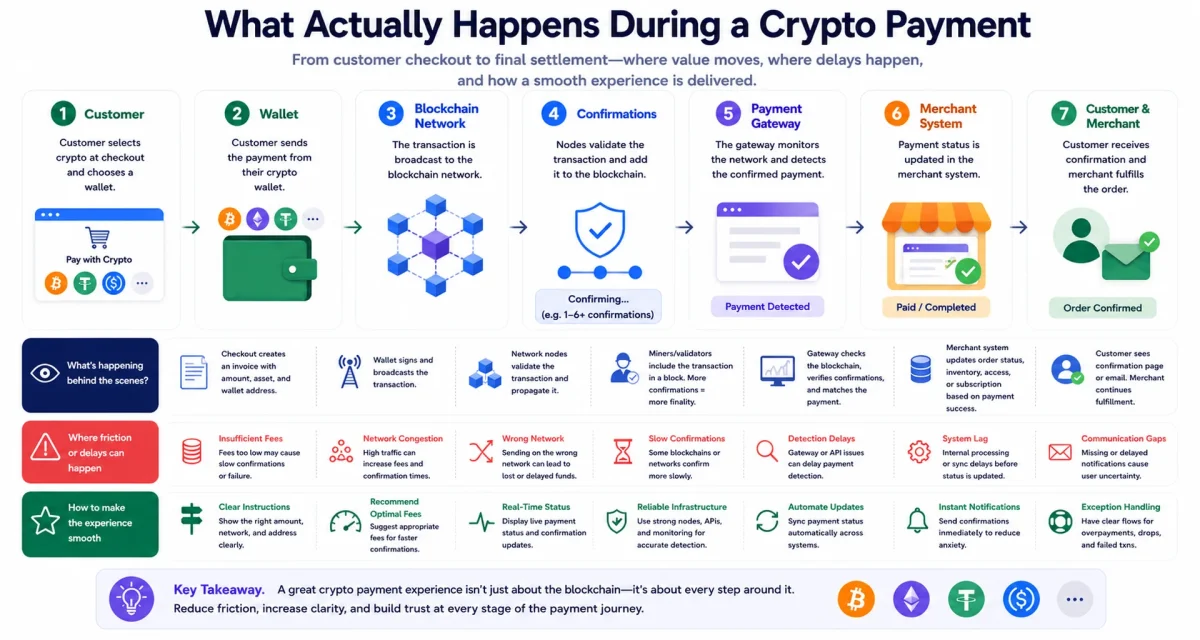
شلوغی شبکه، سرعت تأیید و اضطراب پرداخت
یکی از بزرگترین سوءبرداشتها در پرداخت رمزارزی این است که سرعت بهتنهایی رضایت کاربر را تعیین میکند. در واقع شفافیت به همان اندازه سرعت اهمیت دارد.
پرداخت میتواند زمان بیشتری ببرد و همچنان امن به نظر برسد، اگر کاربر بداند چه اتفاقی در حال رخدادن است، پرداخت در چه مرحلهای قرار دارد، آیا اقدامی لازم است و چه زمانی انتظار تأیید میرود. این موضوع هنگام شلوغی شبکه اهمیت بیشتری پیدا میکند.
سیستمهای پرداخت قوی با شفافیت لحظهای، وضعیتهای روشن تأیید، جریان قابلفهم و امکان مدیریت موارد استثنا، اضطراب را کاهش میدهند. راهنمای OxaPay درباره رهگیری لحظهای پرداخت توضیح میدهد چرا پس از ارسال وجه توسط مشتری، شفافیت پرداخت اهمیت دارد.
توسعهدهندگان میتوانند همچنین مستندات رسمی webhook در OxaPay و Payment Information API را برای گردشکارهای رهگیری و تطبیق بررسی کنند.
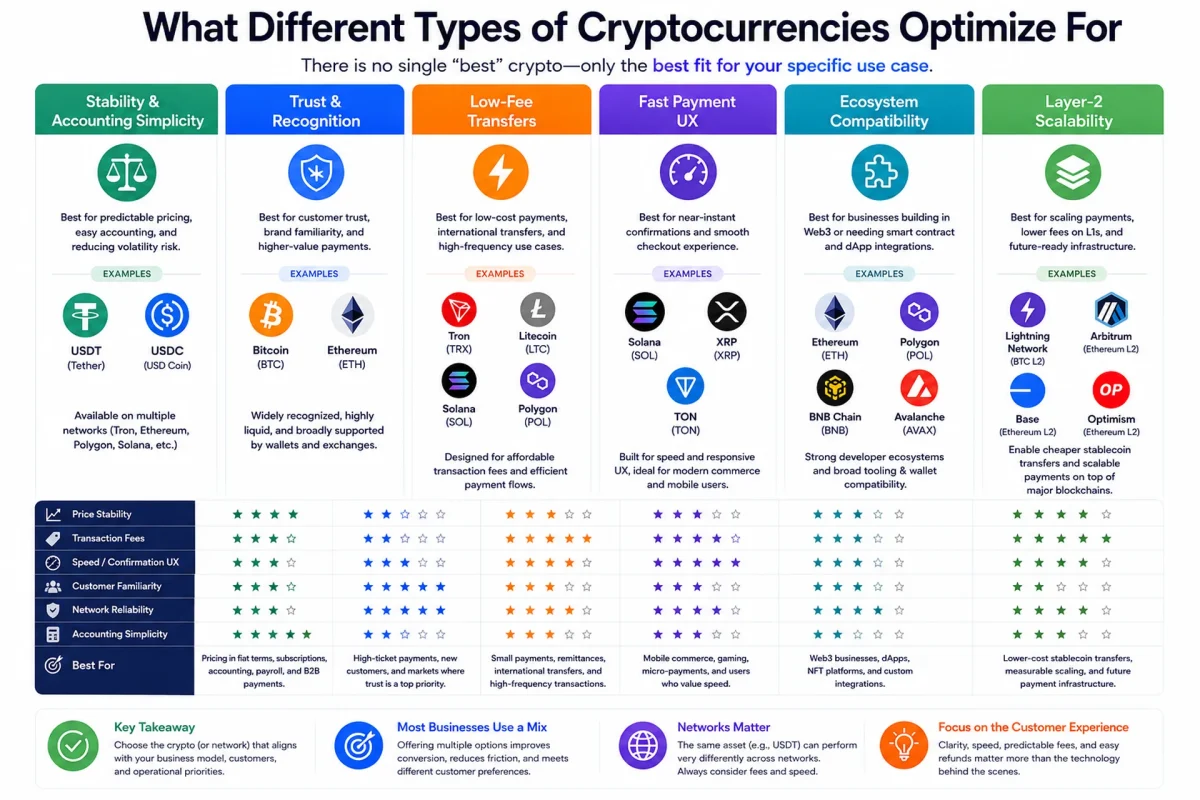
کسبوکارهای مختلف اغلب به داراییهای پرداخت متفاوت نیاز دارند
مدلهای کسبوکار مختلف از زیرساختهای پرداخت متفاوت سود میبرند. فروشگاههای آنلاین اغلب استیبلکوین را در اولویت میگذارند چون ثبات قیمت مهم است. فریلنسرها ممکن است شبکه کمکارمزد را ترجیح دهند. کسبوکار Web3-native بهطور طبیعی داراییهای اکوسیستم Ethereum را یکپارچه میکند. تراکنشهای با مبلغ بالا نیز ممکن است بهدلیل ادراک اعتماد قویتر به Bitcoin متمایل باشند.
سرویسهای اشتراکی ممکن است بیشتر از شناخت برند به مدیریت عملیاتی قابلپیشبینی اهمیت دهند. فروشندگان محصولات دیجیتال ممکن است تکمیل سریع checkout و کارمزد پایین بخواهند. کسبوکارهای B2B نیز شاید گزارشدهی، شفافیت فاکتور و سوابق تسویه را در اولویت بگذارند.
به همین دلیل انعطافپذیری از انتخاب یک برنده جهانی مهمتر است. کسبوکارهایی که چند ترجیح پرداخت را بهطور کارآمد پشتیبانی میکنند میتوانند مشتریان بیشتری را بدون اجبار همه پرداختها به یک دارایی یا شبکه پوشش دهند.
بخش عملیاتی که بیشتر پذیرندگان نادیده میگیرند
بسیاری از کسبوکارها شدیداً روی پذیرش پرداخت تمرکز میکنند و اتفاقات بعد از آن را دستکم میگیرند. پیچیدگی واقعی اغلب پس از ارسال تراکنش شروع میشود.
پذیرندگان خیلی زود به پاسخ سؤالهای عملی نیاز پیدا میکنند:
- تأییدها چگونه رهگیری میشوند؟
- کمپرداختی چگونه مدیریت میشود؟
- پرداختهای ترکیبی چگونه تطبیق داده میشوند؟
- بازپرداخت چگونه پردازش میشود؟
- وضعیتهای پرداخت چگونه اطلاعرسانی میشوند؟
- رکوردهای پرداخت چگونه سازماندهی میشوند؟
اینجاست که زیرساخت پرداخت حیاتی میشود. یک رمزارز ممکن است از نظر فنی کارآمد باشد اما اگر سیستم پرداخت اطراف آن ضعیف باشد، همچنان اصطکاک عملیاتی ایجاد کند.
OxaPay چگونه به کسبوکارها کمک میکند چند رمزارز را بهطور کارآمد بپذیرند
OxaPay به کسبوکارها کمک میکند چند رمزارز را از طریق یک زیرساخت پرداخت یکپارچه و طراحیشده برای سادگی عملیاتی بپذیرند. بهجای اینکه پذیرنده مجبور باشد همه عملیات را حول یک رمزارز بهینه کند، OxaPay امکان پشتیبانی از ترجیحات مختلف مشتری را در کنار مدیریت یکپارچه پرداخت فراهم میکند.
کسبوکارها میتوانند داراییها و شبکههای اصلی مانند موارد زیر را بپذیرند:
کسبوکارها همچنین میتوانند فهرست کامل رمزارزهای پشتیبانیشده را پیش از تصمیمگیری درباره داراییهای قابلفعالسازی برای مشتریان بررسی کنند.
قابلیتهایی مانند رهگیری لحظهای پرداخت، پشتیبانی از چند شبکه، پرداخت یکپارچه کیف پول، مدیریت فاکتور، تبدیل خودکار، نمایش وضعیت پرداخت و مدیریت کمپرداختی در OxaPay اصطکاک عملیاتی را برای پذیرنده و مشتری کاهش میدهند.
برای کسبوکارهایی که به پیادهسازی فنیتر نیاز دارند، Generate Invoice API, Accepted Currencies API، و Supported Networks API منابع مفیدی برای ساخت جریان ساختاریافته پرداخت رمزارزی فراهم میکنند.
نکته پایانی
بهترین رمزارز برای پرداخت فقط با هیجان بازار یا ادعاهای فنی تعریف نمیشود. مهم این است که پرداخت در عملیات واقعی کسبوکار چگونه رفتار کند، تجربه checkout برای مشتری تا چه اندازه قابلفهم باشد و سیستم در طول زمان تا چه اندازه قیمتگذاری، تأیید، تسویه و مدیریت پرداخت را قابلاعتماد پشتیبانی کند.
کسبوکارهای مختلف بهطور طبیعی از داراییها و شبکههای متفاوت سود میبرند. برخی ثبات را در اولویت میگذارند و برخی بیشتر به کارمزد پایین، سازگاری اکوسیستم یا آشنایی مشتری اهمیت میدهند. کسبوکارهایی که سیستم پرداخت رمزارزی قویتری میسازند معمولاً دنبال یک رمزارز بینقص نیستند؛ آنها محیطهای پرداخت منعطفی ایجاد میکنند که تراکنش را برای کاربران واقعی سادهتر، روشنتر و عملیتر کند.