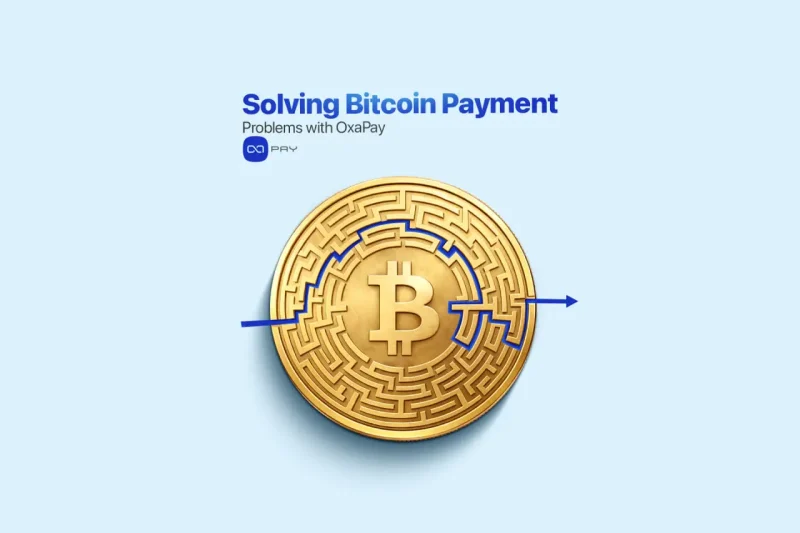
تعمل أول عدة مدفوعات بالبيتكوين عادةً بشكل جيد، ثم تبدأ المشكلات. تواجه معظم الشركات مشكلات في مدفوعات البيتكوين ليس لأن التقنية تفشل، بل لأنها تتصرف بشكل مختلف عن الأنظمة التقليدية. سرعان ما تؤدي تقلبات الأسعار وتأخر التأكيدات وغموض حالات الدفع إلى احتكاك تشغيلي. يوضح هذا الدليل كيفية حل هذه المشكلات على مستوى النظام وكيف تساعد طبقة بنية تحتية مثل بوابة Bitcoin من OxaPay على تحويل سلوك البلوكشين غير المتوقع إلى تدفقات عمل منظمة وقابلة للإدارة.
المشكلة 1: تقلب سعر البيتكوين يسبب ضغطًا محاسبيًا
Bitcoinمعروف بتقلب سعره. الخطأ هو السماح لهذا التقلب بالتأثير في إثبات الإيرادات وتخطيط التدفق النقدي.
أين تحدث المشكلة
تفقد الشركات التي تسعّر مباشرةً بالـ BTC القدرة على توقع الإيرادات بسرعة. فقد تنخفض قيمة الدفعة في اليوم التالي حتى لو كان المنتج أو الخدمة قد تم تسليمها بالفعل.
يؤدي ذلك إلى احتكاك بين فرق المبيعات والمالية والمحاسبة. فتبدأ الفرق في الجدل حول أسعار الصرف بدلًا من التركيز على العمليات.
كيفية حل هذه المشكلة
النهج الصحيح هو فصل طريقة الدفع عن عملة المحاسبة.
تسعّر معظم الشركات بالعملة الورقية وتسمح للعملاء بالدفع بالبيتكوين.
يدعم OxaPay هذا النموذج ويضيف إمكانية التحويل التلقائي للـ BTC الوارد إلى أصول مستقرة مثل USDT وفق قواعد محددة مسبقًا. الفائدة الأساسية ليست التحويل نفسه، بل قابلية التنبؤ. يتوقف الإيراد عن التقلب وتصبح التقارير أكثر استقرارًا.
المشكلة 2: تأخر التأكيدات يعطل العمليات
لا يتم تأكيد البيتكوين فورًا، والتعامل معه كما لو كان كذلك يسبب ارتباكًا للعملاء والموظفين.
أين تحدث المشكلة
غالبًا ما توقف الشركات تنفيذ الطلب حتى «التأكيد النهائي» من دون إظهار تقدم الدفع. يظن العميل أن هناك خللًا، وتزداد تذاكر الدعم، ويبدأ الموظفون بفحص مستكشفات البلوك يدويًا.
كيفية حل هذه المشكلة
الحل ليس كتلًا أسرع، بل رؤية أوضح لحالة الدفع.
يوفر OxaPay تحديثات حالة الدفع في الوقت الفعلي تعكس ما يحدث فعليًا على السلسلة. ويسمح ذلك للشركات بالتمييز بين:
- تم اكتشاف الدفع
- الدفع بانتظار التأكيد
- تمت نهائية الدفع
ويمكن بعد ذلك ربط القرارات التشغيلية بـ الحالاتبدلًا من التخمين. تقلل الرؤية الواضحة الاحتكاك حتى عندما يستغرق التأكيد وقتًا.
المشكلة 3: التسوية اليدوية لا تتوسع بكفاءة
عند الحجم المنخفض تبدو الفحوصات اليدوية قابلة للإدارة، لكن عند التوسع تقلل الكفاءة تدريجيًا.
أين تحدث المشكلة
تعتمد الفرق على سجل المحفظة أو تجزئات المعاملات أو لقطات الشاشة من العملاء لتأكيد المدفوعات. يؤدي ذلك إلى تأخير وأخطاء بشرية وسجلات غير متطابقة بين الأنظمة.
كيفية حل هذه المشكلة
يجب تمثيل المدفوعات كسجلات منظمة، لا كآثار خام من البلوكشين.
يحوّل OxaPay النشاط على السلسلة إلى كائنات دفع قابلة للتتبع بمعرّفات وسجلات وحالات متسقة. وهذا يسمح لفرق المالية بإجراء التسوية دون الحاجة إلى فهم آليات البلوكشين أو التحقق اليدوي.
بمجرد أتمتة التسوية، يتوقف البيتكوين عن الظهور كحل «تجريبي».
المشكلة 4: تختفي عمليات الاسترداد القسري، لكن مخاطر الاحتيال لا تختفي
يلغي البيتكوين عمليات الاسترداد القسري التقليدية، لكنه لا يلغي المخاطر بالكامل.
أين تحدث المشكلة
تفترض بعض الشركات أن عدم قابلية المعاملة للعكس يعني الأمان الكامل. فتخفف الضوابط ثم تكتشف مشكلات مثل المدفوعات الخاطئة أو سوء الاستخدام الداخلي أو الوصول غير المصرح به إلى بنية الدفع.
كيفية حل هذه المشكلة
تنتقل المخاطر من إدارة النزاعات إلى الأمن التشغيلي.
يدعم OxaPay ضوابط مثل:
- المصادقة الثنائية
- قائمة السماح لعناوين IP
- التحقق الآمن من webhook
تحمي هذه الضوابط تدفق عمل الدفع، وهو المكان الذي تتركز فيه معظم المخاطر الفعلية بعد اختفاء عمليات chargeback.
المشكلة 5: تعقيد التكامل يرهق الفرق غير التقنية
غالبًا ما يتم التخلي عن البيتكوين ليس لأنه لا يعمل، بل لأن الإعداد يبدو معقدًا وثقيلًا.
أين تحدث المشكلة
تعتقد الشركات أنها مضطرة لبناء تكاملات مخصصة أو إدارة المحافظ مباشرةً. ويؤدي ذلك إلى تنفيذات غير مكتملة وعمليات هشة.
كيفية حل هذه المشكلة
يجب أن تتوافق طرق قبول الدفع مع مستوى النضج التشغيلي.
يوفر OxaPay عدة مسارات:
- أدوات بدون كود لتحصيل المدفوعات ببساطة
- تكاملات مع المنصات للتجارة الإلكترونية المنظمة
- إعدادات تعتمد على API لتدفقات العمل المتقدمة
المهم هو اختيار أبسط نموذج ينجح، وليس أقوى نموذج على الورق.
المشكلة 6: المدفوعات المتكررة تبدو غير متوافقة مع البيتكوين
تكشف الاشتراكات والفوترة المتكررة نقاط ضعف الإعدادات البسيطة للمدفوعات المشفرة.
أين تحدث المشكلة
إنشاء عنوان جديد لكل دفعة يعقّد التتبع ويخلق ارتباكًا للعملاء المتوقع منهم الدفع بصورة متكررة.
كيفية حل هذه المشكلة
المدفوعات المتكررة تحتاج إلى الاستمرارية.
تدعم OxaPay نماذج العناوين الثابتة التي تسمح للشركات باستقبال مدفوعات متكررة من العميل نفسه مع الحفاظ على تتبع وتسوية واضحين. وهذا يجعل البيتكوين مناسبًا للاشتراكات والعضويات وعلاقات الخدمة طويلة الأجل.
لماذا تتكرر هذه المشكلات بين الشركات
معظم مشكلات مدفوعات البيتكوين ليست فريدة. فهي تتكرر لأن الشركات تتعامل مع مدفوعات العملات الرقمية بافتراضات مأخوذة من أنظمة البطاقات أو التحويلات البنكية.
يتطلب البيتكوين:
- حالات دفع واضحة
- قواعد تسعير واضحة
- تسوية منظمة
- أمنًا تشغيليًا
عندما يتم تصميم هذه العناصر عمدًا يصبح البيتكوين قابلًا للإدارة. وعندما يتم تجاهلها تظهر المشكلات بسرعة.
الخلاصة
قبول مدفوعات البيتكوين ليس محفوفًا بالمخاطر في حد ذاته. الخطر يأتي من قبولها دون نموذج تشغيلي واضح.
تتعامل الشركات الناجحة مع البيتكوين باعتباره مسار دفع يحتاج إلى هيكل ورؤية وضوابط، وليس اختصارًا لتجاوز الأنظمة التقليدية. OxaPay يكون أكثر فاعلية عند استخدامه لتوحيد سلوك البلوكشين وتحويله إلى تدفقات دفع قابلة للتنبؤ يمكن لفرق المالية والدعم والعمليات الاعتماد عليها.
حل مشكلات مدفوعات البيتكوين لا يتعلق كثيرًا بـ «إصلاح البيتكوين»، بل بتصميم العمليات بما يتوافق مع واقعه.