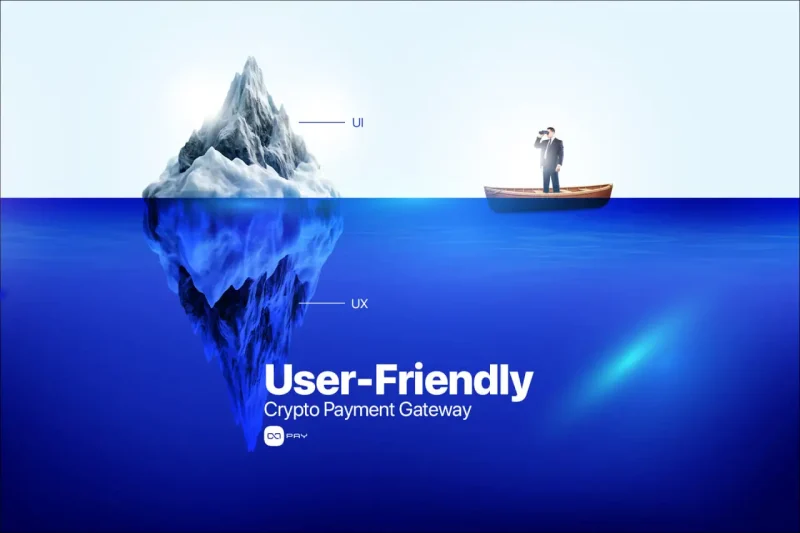
“Kullanıcı dostu”, ödeme teknolojisinde en fazla kullanılan ifadelerden biridir. Neredeyse her kripto ödeme ağ geçidi kendisinin basit, sezgisel ve kullanımı kolay olduğunu iddia eder. Ancak pratikte birçok kripto checkout hâlâ kullanıcıların kafasını karıştırır, ödemeleri geciktirir veya güvenin en önemli olduğu anda başarısız olur.
Sorun görsel tasarım değildir. Tanımdır.
Kullanıcı dostu kripto ödemeler çoğu zaman sistemin gerçek kullanıcılar ödeme yapmaya çalıştığında nasıl davrandığına değil, sayfanın nasıl göründüğüne göre değerlendirilir.
Kriptoda kullanıcı dostu olmak karmaşıklığı gizlemek değil, doğru şekilde yönetmektir.
Bu yönetim başarısız olduğunda deneyim hızla bozulur. Bir kullanıcı fon gönderir ancak güncelleme görmez. Başka biri ödemenin algılanıp algılanmadığını bilmeden bekler. Bazıları tekrar ödeme yaparak yinelenen işlemler oluşturur. Bunlar istisna değildir; belirsiz sistemlerin yaygın sonuçlarıdır.
Kripto Ödemelerde Kullanıcı Dostu Olmak Neden Daha Zordur?
Kart ödemelerinden farklı olarak kripto işlemlerin kullanıcıları isteseler de istemeseler de teknik gerçeklerle karşı karşıya bırakır. Cüzdan seçimi, ağ seçimi, onaylar, geri döndürülemez transferler ve bekleme süresi sürecin parçasıdır.
Bir geleneksel checkout karmaşıklığı bankalara bırakabilir. Kripto checkout bunu yapamaz. Ödeme sistemi kullanıcıyı açık biçimde yönlendirmiyorsa aradaki boşluğu belirsizlik doldurur. Belirsizlik de dönüşümü düşürür.
Basit bir senaryo düşünün. Kullanıcı USDT gönderir ancak yanlış ağı seçer. Sistem sorunu açıkça anlatmaz. Kullanıcının gözünde ödeme “tamamlanmıştır.” Sistemin gözünde ise geçersizdir. Net geri bildirim olmadan kullanıcı ya yeniden dener ya da ayrılır.
Bu yüzden kriptoda kullanıcı dostu olmak bir tasarım sorunu değil, sistem sorunudur.
Kripto Ödeme Bağlamında Kullanıcı Dostu Olmayı Tanımlamak
Kripto ödemelerde kullanıcı dostu deneyim, öngörülebilirlik demektir.
Kullanıcı her an şunları açıkça anlamalıdır:
• hangi işlemin yapılması gerektiğini,
• şu anda ne olduğunu,
• ve ödemenin ne zaman tamamlanmış sayıldığını.
Bunlardan biri belirsizse sorunlar başlar.
Belirsiz eylem tereddüt yaratır.
Durum net değilse kullanıcılar çoğu zaman ödemeyi tekrarlar.
Tamamlanma durumunun belirsizliği destek taleplerine ve anlaşmazlıklara yol açar.
Kullanıcı dostu bir geçit, sorumluluğu değil tahmin yürütme ihtiyacını ortadan kaldırır.

Kripto Ödeme Geçidini Kullanıcı Dostu Yapan Temel Unsurlar
1. Açık ve Yönlendirilmiş Bir Ödeme Akışı
Kullanıcı dostu bir kripto geçidi ileriye doğru tek ve net bir yol sunar.
Kullanıcı hangi ağı kullanacağını, hangi adres biçiminin doğru olduğunu veya fon gönderildikten sonra ne olacağını tahmin etmek zorunda kalmaz.
Bu açıklık yoksa kullanıcılar kendi çözümlerini üretir. Yanlış adres biçimini kopyalar, süreç ortasında ağ değiştirir veya ödemeyi tamamen bırakır.
Yönlendirilmiş akış bu davranışlar ortaya çıkmadan önler.
2. Şeffaf ve Gerçek Zamanlı Ödeme Durumu
Kripto ödemeler her zaman anlık değildir. Bu kabul edilebilir.
Belirsizlik değildir.
Kullanıcı dostu bir geçit ödeme durumunu açıkça gösterir, örneğin:
• işlem bekleniyor,
• onay devam ediyor,
• ödeme tamamlandı.
Bu görünürlük yoksa kullanıcılar başarısızlık olduğunu düşünür. Sayfayı yeniler, tekrar dener veya desteğe başvurur. Birçok durumda ödeme zaten ilerlemektedir; sistem yalnızca bunu anlatamamıştır.
3. Ödeme Öncesinde Maliyetlerin Açıkça Gösterilmesi
Gizli veya değişken maliyetler güveni yok eder.
Kullanıcı dostu bir geçit, fon gönderilmeden önce ücretleri, dönüşüm varsa kur bilgisini ve ödenecek nihai tutarı gösterir.
Bu bilgi yoksa kullanıcılar tereddüt eder veya ayrılır. Daha kötüsü yanlış tutar gönderebilir ve eksik ödeme ya da reconciliation sorunları ortaya çıkabilir.
Ödeme öncesi açıklık, ödeme sonrası düzeltme ihtiyacını azaltır.
4. Teknik Olmayan Kullanıcılar İçin Düşük Bilişsel Yük
Çoğu kullanıcı blok onaylarını veya blokzincir mekaniklerinianlamak istemez. Güvenli biçimde ödeme yapmak ister.
Kullanıcı dostu sistem her adımda yalnızca gerekli bilgiyi gösterir.
Sistemler çok fazla teknik ayrıntı gösterdiğinde kullanıcılar yavaşlar. Her adımı sorgularlar. Sistem teknik olarak doğru olsa bile bazıları tamamen ayrılır.
Bilişsel yükü azaltmak bilgiyi kaldırmak değil, doğru sırayla sunmaktır.
5. Ödeme Yöntemleri Arasında Tutarlılık
Kullanıcı ister Payment Link, bir Invoice, diğer Merchant Servicesveya cüzdanla entegre bir seçenek üzerinden ödeme yapsın, deneyim tanıdık hissettirmelidir.
Tutarsız deneyimler şüphe yaratır. Tekrar gelen kullanıcı farklı bir akış gördüğünde, sorun olmasa bile bir şeylerin yanlış olduğunu düşünebilir.
Tutarlılık güven oluşturur. Kripto ödemelerde güven, tamamlanma oranlarını doğrudan etkiler.
6. Kesintiye Uğratmadan Koruyan Güvenlik
Güvenlik şarttır ancak aşırı sürtünme kullanıcı dostu değildir.
İyi tasarlanmış bir kripto geçidi adresleri doğrular, ödeme callback’lerini güvence altına alır ve anomalileri sessizce izler.
Güvenlik sürtünme olarak görünürse kullanıcı kendini engellenmiş hisseder. Arka planda çalıştığında ise kesintiye uğramadan korunduğunu hisseder.
Kullanıcı Dostu Tasarım İşletmelere Neden Fayda Sağlar?
Kullanıcı dostu kripto ödemeler yalnızca müşteriler için daha iyi değildir. Şunları azaltır:
• checkout terkini,
• ödeme hatalarını,
• belirsiz durum nedeniyle oluşan yinelenen işlemleri,
• ve “ödemem geçti mi?” sorularından kaynaklanan destek yükünü.
Satıcılar için checkout aşamasındaki açıklık doğrudan daha yüksek tamamlama oranları ve daha az operasyonel sorun anlamına gelir.
Kullanıcı dostu olmak bir tasarım tercihi değil, operasyonel avantajdır.

OxaPay Bu Kullanıcı Dostu İlkelerle Nasıl Uyum Sağlar?
Bu kriterler içinde OxaPay kripto geçidi yalnızca yüzeyi sadeleştirdiği için değil, tüm ödeme deneyimini açıklık ve öngörülebilirlik etrafında yapılandırdığı için kullanıcı dostu bir kripto ödeme geçidi olarak değerlendirilebilir.
Ödeme Akışındaki Belirsizliği Ortadan Kaldırmak
OxaPay ödeme akışları yalnızca arayüz tasarımına dayanmak yerine işlemin her aşamasında belirsizliği ortadan kaldıracak şekilde oluşturulmuştur. Kullanıcı ödeme sayfasına girdiği anda gerekli adımlar açıkça tanımlanır, ödeme ayrıntıları nettir ve ilerleme gerçek zamanlı bildirilir.
Kullanıcılar İçin Açık Durum Görünürlüğü
Birçok kripto checkout’ta kullanıcılar ne olduğunu anlayamadıkları için tereddüt eder. Burada bu belirsizlik giderilir. Kullanıcı işlem algılandı mı, hâlâ onaylanıyor mu veya tamamlandı mı hemen görebilir; teknik sinyalleri yorumlaması veya sistem davranışını tahmin etmesi gerekmez.
Önceden Maliyet Şeffaflığı
Maliyet şeffaflığı sonradan eklenen bir unsur değil, sistem tasarımının parçasıdır. Ödeme tutarı, ağ bağlamı ve geçerli ücretler baştan görünürdür; bu da eksik ödeme, kafa karışıklığı veya fonlar gönderildikten sonra beklenmeyen sonuç riskini azaltır.
Ödeme Yöntemleri Arasında Tutarlı Deneyim
Ödeme yöntemleri arasındaki tutarlılık bu açıklığı güçlendirir. Payment Link, Invoice veya cüzdanla entegre seçenek kullanılsa da deneyim aynı öngörülebilir mantığı izler. Kullanıcı her seferinde süreci yeniden öğrenmez ve tekrar ödemelerdeki sürtünme önemli ölçüde azalır.
Arka Planda Sistem Düzeyinde Güvenilirlik
Arka planda bu deneyim yapılandırılmış ödeme durumları ve otomatik callback’lerle desteklenir. Bu mimari checkout’taki sadeliğin doğruluk, reconciliation veya satıcı tarafındaki güvenilirlik pahasına oluşmamasını sağlar. Kullanıcıya basit görünen şey, karmaşıklığı göstermeden yönetmek üzere tasarlanmış bir sistemin sonucudur.
Sistem Kalitesi Olarak Kullanıcı Dostu Olmak
Sonuç, pratik anlamda kullanıcı dostu bir kripto ödeme geçididir. Karmaşıklığı ortadan kaldırdığı için değil, kullanıcıların anlayabileceği, güvenebileceği ve tereddüt etmeden tamamlayabileceği biçimde yönettiği için.
Sonuç
Kullanıcı dostu kripto ödeme geçitleri görünüşte basit olmalarıyla değil, kullanıcıları karmaşık süreçlerden ne kadar güvenilir biçimde geçirdikleriyle tanımlanır. Açıklık olmadığında kullanıcı tereddüt eder, yeniden dener veya ödemeyi bırakır. Açıklık olduğunda daha yavaş işlemler bile kontrollü hissedilir. Açık akışlar, şeffaf durum güncellemeleri, görünür maliyetler ve tutarlı davranış güvenilir bir checkout deneyimi oluşturur.
OxaPay bu açıklık seviyesini yapılandırılmış ödeme akışları, gerçek zamanlı durum güncellemeleri ve tutarlı kullanıcı deneyimiyle sunar. İşletmeler bunu kullanarak güvenilir kripto ödemeler sağlayabilir; aynı zamanda sürtünmeyi azaltabilir, tamamlama oranlarını artırabilir ve tam operasyonel kontrolü koruyabilir.