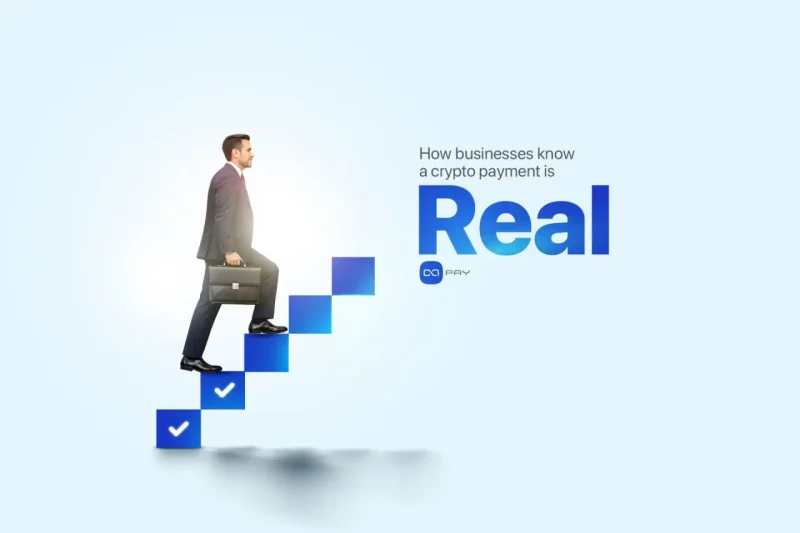
يرسل العميل دفعة ويشارك معرّف المعاملة ويتوقع تأكيدًا فوريًا، لكن نظامك لا يستطيع تنفيذ الطلب بأمان بعد. تبدأ معظم مشكلات الدفع من الفجوة بين ما يراه المستخدم وما تستطيع الشركة الوثوق به. تبدو مدفوعات العملات الرقمية بسيطة للعملاء، لكن فهم كيفية التحقق منها بالنسبة إلى الشركة يتطلب أكثر من إشارة واحدة. فهو يعتمد على قواعد التحقق والتوقيت والاتساق بين الأنظمة للتأكد من أن الدفعة قابلة للاستخدام فعليًا.
معرّف المعاملة ليس دليلًا على الدفع
من أكثر الأخطاء شيوعًا أن تتعامل الشركات مع معرّف المعاملة على أنه تأكيد على اكتمال الدفع. في الواقع، يوضح معرّف المعاملة فقط أن المعاملة تم بثها إلى الشبكة.
ولا يضمن أن المعاملة ستتأكد أو ستبقى صالحة أو سيتم تضمينها في كتلة. يمكن استبدال المعاملات أو تأخيرها أو إسقاطها بحسب ظروف الشبكة وسلوك الرسوم.
ولهذا تتعامل الشركات مع معرّفات المعاملات كمراجع، لا كدليل على أن الدفعة حقيقية.
مثال:
تتلقى شركة معرّف معاملة، لكن بسبب انخفاض الرسوم لا تُدرج المعاملة في الكتلة التالية. وحتى يتم تأكيدها على السلسلة، لا يمكن اعتبار الدفع مكتملًا.
التأكيدات ضرورية، لكنها ليست كافية
تضيف تأكيدات الكتل طبقة مهمة من الثقة، لكنها لا تجيب عن جميع الأسئلة الحرجة للأعمال. وهنا تدرك كثير من الفرق أن معرفة كيفية التحقق من مدفوعات العملات الرقمية تتجاوز مجرد انتظار التأكيدات.
تعني المعاملة المؤكدة أنها أُدرجت في البلوكشين وتبعتها كتل إضافية.
لكن ذلك لا يؤكد ما إذا كانت الدفعة تطابق المبلغ المتوقع. كما لا يضمن أنها وصلت خلال النافذة الزمنية المسموح بها أو أنها تخص الطلب الصحيح.
من منظور الشركة، قد تكون المعاملة مؤكدة بالكامل ومع ذلك غير قابلة للاستخدام.
مثال:
تكون الدفعة مؤكدة بالكامل، لكن المبلغ أقل بنسبة 5% من المتوقع. وحتى إذا قبلها البلوكشين، قد ترفض الشركة الدفعة لأنها لا تطابق الفاتورة.
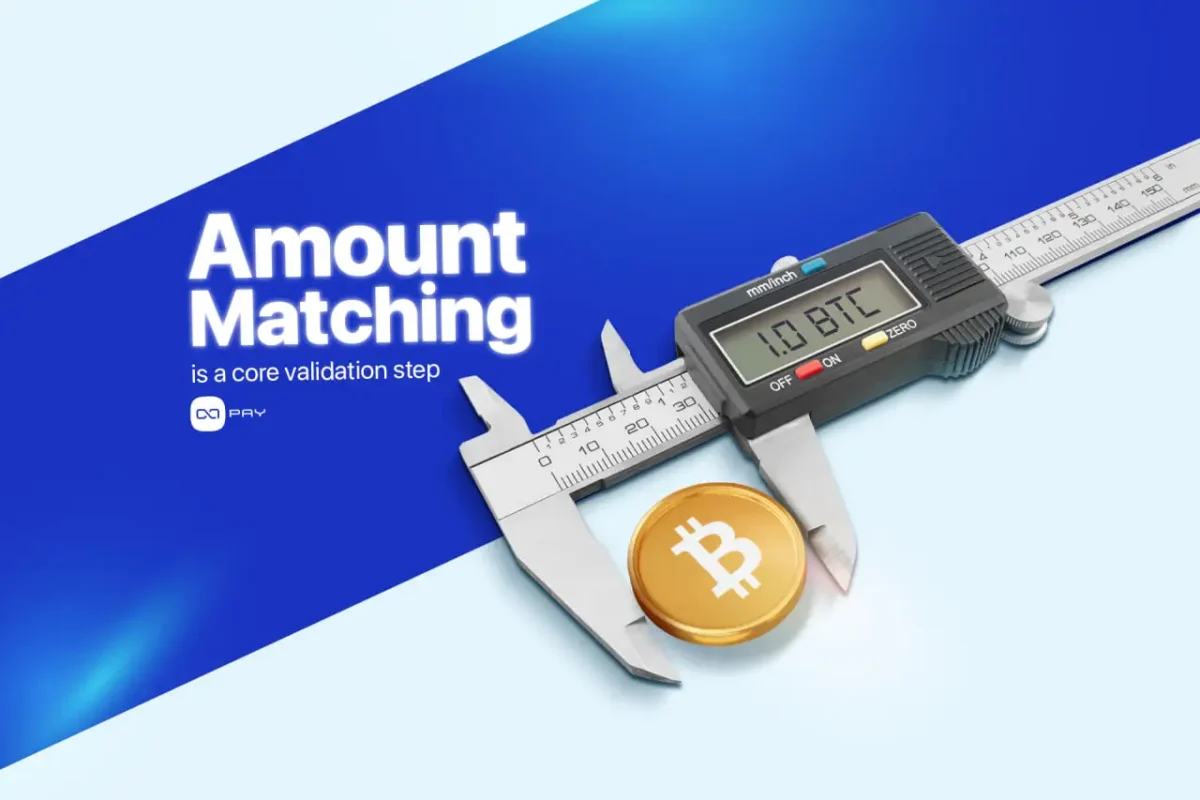
مطابقة المبلغ خطوة أساسية في التحقق
لا تعتمد الشركات على قيم تقريبية. فهي تتحقق من أن المبلغ المستلم يطابق المطلوب، وأن أي هامش مسموح به قد روعي، وأن الأصل والشبكة الصحيحين استُخدما.
المدفوعات الناقصةوالمدفوعات الزائدة والتحويلات عبر الشبكة الخاطئة شائعة في مدفوعات العملات الرقمية. إذا تم تجاوز التحقق من المبلغ، فلن تختفي هذه المشكلات؛ بل ستظهر لاحقًا كفروق محاسبية أو تذاكر دعم أو تعقيدات في الاسترداد.
مثال:
منتج سعره 0.5 BTC يتلقى 0.45 BTC بسبب خطأ في التسعير أو من المستخدم. من دون التحقق، ينشأ عدم اتساق يجب حله لاحقًا.
التوقيت يؤثر في إمكانية قبول الدفع
الوقت عامل حاسم في التحقق من الدفع. تحدد الشركات مدة بقاء الدفع صالحًا وما يحدث إذا وصل متأخرًا.
قد تكون المعاملة صالحة على البلوكشين، لكن إذا وصلت بعد النافذة الزمنية المسموح بها، فقد لا تعود مقبولة.
عمليًا، لا تُقيّم المدفوعات فقط بحسب وصولها، بل بحسب وصولها في الوقت الصحيح.
مثال:
يرسل العميل الدفع بعد انتهاء نافذة فاتورة مدتها 15 دقيقة. وحتى إذا تم تأكيد المعاملة، قد تلغي الشركة الطلب.
وضوح الوجهة أهم من النية
تتحقق الشركات من المدفوعات بناءً على الوجهة، لا على نية المستخدم.
يجب التأكد من إرسال الدفع إلى العنوان الصحيح وربطه بالطلب الصحيح وصلاحيته وقت الاستخدام. من دون هذا الوضوح، يدخل الغموض إلى النظام.
يؤدي الغموض إلى فحوص يدوية وتأخر التنفيذ ونزاعات.
مثال:
تُرسل دفعة إلى عنوان مرتبط بطلب مختلف. وحتى إذا كان المبلغ صحيحًا، لا يستطيع النظام مطابقتها تلقائيًا.
تعتمد أنظمة الدفع الحقيقية على إشارات متعددة
أنظمة الدفع بالعملات الرقمية الموثوقة لا تعتمد على إشارة واحدة، بل تجمع بين:
- بيانات البلوكشين
- عمق التأكيد
- حالة الطلب
- التحقق من المبلغ
- قواعد التوقيت
- اكتشاف التكرار
يمكن أن تكون كل إشارة بمفردها مضللة. لكن جمعها يوفر ثقة كافية للتصرف بأمان. هذا النهج متعدد الطبقات ضروري لأي شركة تتعلم كيفية التحقق من مدفوعات العملات الرقمية في ظروف واقعية.
ولهذا قد ينجح التحقق اليدوي عند الأحجام المنخفضة، لكنه يفشل مع توسع الأنظمة.

النهائية قرار تجاري
توفر شبكات البلوكشين تأكيدًا تقنيًا، بينما تحدد الشركات النهائية التشغيلية.
تصبح الدفعة «حقيقية» للشركة عندما:
- يكون خطر التراجع مقبولًا
- تكون قواعد التحقق مستوفاة
- يمكن متابعة الإجراءات اللاحقة بأمان
يختلف هذا القرار بحسب الأصل والشبكة وقيمة المعاملة ونموذج العمل.
مثال:
قد تطلب شركة ستة تأكيدات قبل قبول دفعة مرتفعة القيمة، بينما يمكن قبول المدفوعات الأصغر في وقت أبكر.
الخلاصة العملية
تكون دفعة العملات الرقمية حقيقية للشركة فقط عندما:
- تطابق المبلغ المتوقع
- تصل ضمن الوقت المسموح
- ترتبط بالطلب الصحيح
- يمكن تسجيلها دون تصحيح لاحق
كل ما قبل ذلك مجرد إشارة.
مدفوعات العملات الرقمية لا تتعلق بمراقبة البلوكشين عن قرب، بل بمعرفة متى يصبح التصرف آمنًا.
الخلاصة
التحدي في مدفوعات العملات الرقمية ليس الرؤية، بل الثقة.
الشركات التي تعتمد على إشارة واحدة، مثل معرّف المعاملة أو التأكيد، تعرض نفسها لمخاطر تشغيلية. أما التي تحدد قواعد تحقق واضحة وتجمع إشارات متعددة فتنشئ أنظمة يمكنها التوسع بموثوقية.
عمليًا، تعلم كيفية التحقق من مدفوعات العملات الرقمية لا يعني مراقبة البلوكشين عن قرب. بل يعني بناء نظام يمكنه تفسير الإشارات بشكل صحيح والتصرف بثقة.
ابدأ بناء نظام دفع موثوق للعملات الرقمية مع بوابة OxaPay للعملات الرقمية وشاهد كيف يحسن التحقق المنظم والتتبع في الوقت الفعلي والأتمتة عمليات الدفع لديك.