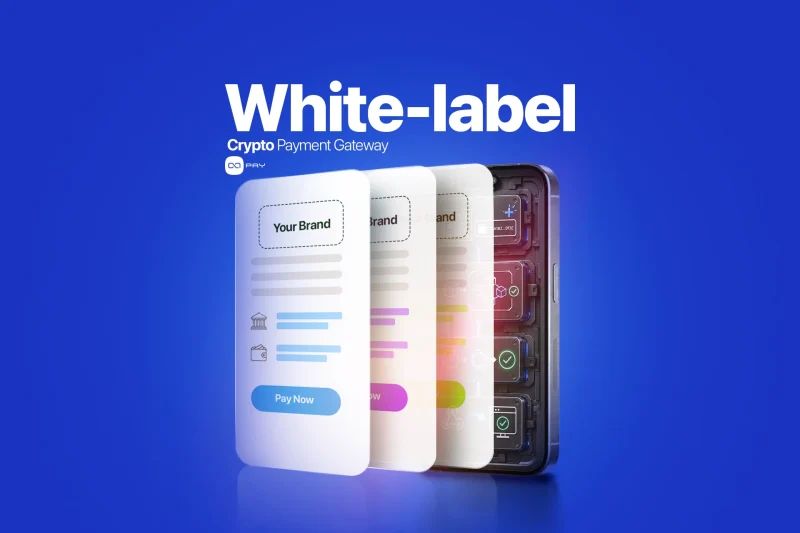
Kripto ödemeler modern dijital işletmelerin standart bir parçası hâline geliyor. Ancak kripto kabul etmek yalnızca yeni bir ödeme seçeneği eklemekten ibaret değildir. Blockchain işlemlerini, onayları ve güvenliği ölçekli biçimde güvenilir şekilde yönetebilen bir altyapı gerekir.
Çoğu işletme için böyle bir sistemi sıfırdan kurmak karmaşık, maliyetli ve zaman alıcıdır.
İşte bu noktada White-Label Kripto Ödeme Geçidi kavramı önem kazanır. İşletmeler blockchain altyapısını kendi bünyelerinde geliştirmek yerine, tüm teknik operasyonları yöneten hazır bir sistem kullanabilir ve ödeme deneyimini kendi markaları altında tamamen kontrol edebilir.
Bu makalede White-Label kripto ödeme geçidinin ne olduğunu, nasıl çalıştığını, neden var olduğunu ve işletmelerin kullanıcı deneyimi ile marka kontrolünü korurken kripto ödeme entegrasyonunu nasıl kolaylaştırdığını açıklıyoruz.
White-Label Kripto Ödeme Geçidi Nedir?
White-Label kripto ödeme geçidi, işletmelerin alttaki blockchain ödeme sistemini kendileri kurmadan kendi markaları altında kripto para ödemeleri kabul etmesini sağlayan tamamen hazır bir ödeme altyapısıdır.
Bu modelde blockchain işlemenin karmaşıklığı tamamen gizlenir.
Blockchain etkileşimi, işlem doğrulama ve onaylar dâhil altyapı OxaPay gibi bir sağlayıcı tarafından yönetilir. Böylece blockchain ağları, işlem yaşam döngüsü yönetimi ve ödeme kesinliğiyle ilgili tüm teknik süreçler işletmenin müdahalesine gerek kalmadan dışarıdan yönetilir.
İşletme yalnızca müşterinin gördüğü deneyimi; ödeme arayüzünü, markalamayı ve ödeme sürecinin kullanıcıya nasıl sunulduğunu kontrol eder.
Sonuç olarak gerçek işlem harici bir altyapı sağlayıcısı tarafından yürütülse de tüm ödeme akışı sanki işletme içinde geliştirilmiş gibi görünür.
Basit tanım: White-Label geçit, ödeme altyapısına sahip olmadan ödeme deneyimine sahip olmanızı sağlar.
Temelde Nasıl Çalışır?
White-Label sistem iki katmanı birbirinden ayırır:
OxaPay tarafından yönetilir:
- blockchain işlem işleme
- cüzdan adresi oluşturma
- ödeme doğrulama
- ağ onayları
- risk yönetimi
Bu katman, bir kripto ödemenin farklı blockchain ağlarında doğru şekilde oluşturulması, izlenmesi, doğrulanması ve onaylanması için gereken tüm backend operasyonlarını yönetir.
Deneyim Katmanı (Görünür)
İşletme tarafından kontrol edilir:
- ödeme arayüzü
- Markalama
- ödeme akışı tasarımı
- müşteri etkileşimi
Bu katman kullanıcının ödeme yolculuğu boyunca gördüğü her şeyi belirler. Kullanıcı satıcının ortamından ayrılmadığı için güveni, kullanılabilirliği ve dönüşüm oranlarını doğrudan etkiler.
Bu Model Neden Var?
Modern işletmeler temel bir sorunla karşı karşıyadır:
Kripto ödeme kabul etmek, çoğu şirketin kendi başına kurmak istemediği karmaşık bir altyapı gerektirir.
Tam bir ödeme sistemi şunları gerektirir:
- blockchain entegrasyonu
- node yönetimi
- işlem izleme motorları
- güvenlik sistemleri
- çoklu ağ desteği
Bu bileşenlerin her biri önemli mühendislik çalışması ve sürekli bakım gerektirir. Blockchain ödemelerinin zamanlaması da deterministik değildir; sistemlerin gecikmeleri, onayları ve ağ değişkenliğini yönetmesi gerekir.
White-Label, altyapıyı tak-çalıştır bir sisteme dönüştürerek bu sorunu çözer.

White-Label Kripto Ödeme Geçidi Nasıl Çalışır?
Dışarıdan basit görünse de sistem yapılandırılmış çok katmanlı bir süreç:
Ödeme Başlatma
Satıcı şunları tanımlar:
- ödeme tutarı
- para birimi (kripto veya itibari referans)
- ağ (BTC, ETH, TRX vb.)
- sona erme süresi
Ödeme Oluşturma
Sistem şunları oluşturur:
- cüzdan adresi
- QR kodu
- tam ödenecek tutar
- izleme kimliği (mutabakat için)
Müşteri Ödemesinin Gerçekleştirilmesi
Müşteri kendi cüzdanından fonları gönderir.
Bu aşamada:
- satıcı sistemi blockchain mantığına dahil olmaz
- blockchain ağı transferi gerçekleştirir
Blockchain Onayı
İşlem:
- yayınlanır
- doğrulanır
- ağ tarafından onaylanır
Durum Senkronizasyonu
Geçit işlemi sürekli izler ve durumunu günceller.
Webhook Bildirimi
Onaylandıktan sonra:
- satıcı sistemine bir callback gönderilir
- sipariş durumu otomatik olarak güncellenir
Siparişin Tamamlanması
İşletme şunları tamamlar:
- ürün teslimatı
- hizmet aktivasyonu
- abonelik erişimi
Temel çıkarım: White-Label ödemeleri basitleştirmez. Ödemeleri yöneten sistemi kurma ihtiyacını ortadan kaldırır.
White-Label ve Geleneksel Ödeme Geçidi
Bu farkı anlamak kritik öneme sahiptir.
Geleneksel Geçit Modeli
- Kullanıcı harici bir ödeme sayfasına yönlendirilir
- Markalama sağlayıcıya aittir
- UI standarttır
- Satıcının kontrolü sınırlıdır
White-Label Modeli
- Ödeme deneyimi satıcının ortamında kalır
- Tam marka kontrolü
- UI tamamen özelleştirilebilir
- Görünür üçüncü taraf etkileşimi yoktur
Temel fark:
| Faktör | Geleneksel Geçit | White-Label Geçit |
|---|---|---|
| Kontrol | Sağlayıcı | Satıcı |
| UI | Sabit | Tamamen özel |
| Deneyim | Harici | Gömülü |
| Markalama | Paylaşımlı | Tamamen satıcıya ait |
Bu neden önemlidir:
Dijital ödemelerde markanızın dışındaki her ek adım güveni azaltır ve terk oranını artırır. White-Label bu sürtünmeyi tamamen ortadan kaldırır.
Hangi İşletme Türleri White-Label Sistemlerden Yararlanır?
White-Label kripto ödeme geçitleri sektöre göre değil, işletmenin davranışı ve stratejisine göre anlam kazanır.
Ödemeyi yalnızca bir işlem katmanı değil, marka deneyiminin bir parçası olarak gören işletmeler için idealdir.
Güçlü Marka Kimliğine Sahip İşletmeler
Bu şirketler her müşteri temas noktasında tutarlılığa önem verir.
Onlar için:
- ödeme UI’si marka kimliğiyle uyumlu olmalıdır
- checkout kullanıcı deneyiminin bir parçasıdır
- harici yönlendirmeler güveni zedeler
Deneyim Odaklı Dijital Platformlar
Bu işletmelerde UX geliri doğrudan etkiler.
Şunlara ihtiyaç duyarlar:
- akıcı checkout akışı
- minimum sürtünme
- tutarlı arayüz tasarımı
Küçük UX sorunları bile dönüşümlerin azalmasına yol açabilir.
Dönüşüm Odaklı İşletmeler
Bu şirketler için:
ödeme başarı oranı = gelir
White-Label şunları iyileştirir:
- checkout sırasında güven
- tamamlama oranı
- azalan terk oranı
Çünkü kullanıcılar güvendikleri ortamdan ayrılmaz.
Hızla Ölçeklenen Dijital İşletmeler
Bu işletmeler altyapı kurmak yerine hıza öncelik verir.
Şunları kurmak yerine:
- blockchain sistemleri
- cüzdan altyapısı
- ödeme mantığı
White-Label’i şunlar için kullanırlar:
- hızlı yayına çıkmak
- daha hızlı iterasyon yapmak
- ana ürün büyümesine odaklanmak
White-Label Hangi İşletme Yeteneklerini Açığa Çıkarır?
White-Label yalnızca bir ödeme yöntemi değildir. Bir işletme altyapısı katmanıdır.
Çoklu Para Birimi Desteği
İşletmeler şunları kabul edebilir:
Küresel Ödeme Erişilebilirliği
Kripto şunları azaltır:
- bankacılık kısıtlamaları
- coğrafi sınırlamalar
- sınır ötesi sürtünme
Esnek Ücret Modelleri
İşletmeler şuna karar verebilir:
- satıcı tarafından ödenen ücretler
- müşteri tarafından ödenen ücretler
Hızlı Mutabakat Döngüleri
Geleneksel ödemelere kıyasla:
- daha hızlı onay
- fonlara daha hızlı erişim
- gelişmiş nakit akışı
Gelişmiş Ödeme Kontrolü
- sona erme zamanlaması
- eksik ödeme toleransı
- gerçek zamanlı izleme
- otomatik mutabakat

Güvenlik ve Sistem Güvenilirliği
Güvenlik kripto ödemelerdeki en kritik konulardan biridir.
OxaPay gibi White-Label sistemler bunu altyapı seviyesinde çözer.
Blockchain Seviyesinde Güvenlik
İşlemler şunlarla korunur:
- merkeziyetsiz doğrulama
- kriptografik doğrulama
- değiştirilemez kayıt defteri kayıtları
Özel Anahtar Maruziyeti Yok
İşletmeler şunları yönetmez:
- cüzdan özel anahtarları
- doğrudan blockchain imzalama
Bu, operasyonel ve güvenlik riskini azaltır.
Gerçek Zamanlı İşlem İzleme
Her ödeme şunları içerir:
- benzersiz izleme kimliği
- durum güncellemeleri (pending → confirming → paid)
Webhook Tabanlı Sistem Güncellemeleri
Manuel kontrol yerine:
- sistem güncellemeleri otomatik olarak iletir
- operasyonel hataları azaltır
Sona Erme ve Risk Kontrolü
Ödemeler şunları içerir:
- zamana dayalı sona erme
- geçersiz işlem filtreleme
- eksik ödeme tespiti
Güvenlik açısından temel çıkarım: Güvenlik işletme tarafından yönetilmez. Altyapı katmanına gömülüdür.
OxaPay Bu Mimaride Nasıl Konumlanır?
White-Label Altyapı Katmanı Olarak OxaPay
OxaPay, White-Label kripto ödeme sistemi içinde bir altyapı katmanı olarak çalışır. Rolü son kullanıcılar için görünür bir ödeme hizmeti olmak değil, tüm ödeme yaşam döngüsünü çalıştıran backend motoru olarak işlev görmektir.
Bu mimaride OxaPay, kripto ödemelerin ölçekli biçimde güvenilir çalışması için gerekli temel operasyonel süreçleri yönetir. Bunlara ödeme taleplerinin oluşturulması, benzersiz cüzdan adreslerinin üretilmesi, blockchain işlemlerinin izlenmesi ve farklı ağlardaki onay durumlarının yönetilmesi dahildir.
Altyapı ve Deneyim Katmanlarının Ayrılması
Sistem tasarımı açısından OxaPay tamamen altyapı katmanında yer alır; bu nedenle satıcının ödeme deneyimini nasıl tasarladığına veya kullanıcılara nasıl sunduğuna müdahale etmez.
Bunun yerine satıcıların kendi checkout sistemlerine doğrudan gömebileceği yapılandırılmış çıktılar sağlar.
Bu ayrım şunları sağlar:
- satıcılar UI ve marka katmanını kontrol eder
- OxaPay tüm backend ödeme mantığını yönetir
- her iki katman bağımsız ölçeklenebilir
İşlem Durumu Yönetimi ve Webhook Senkronizasyonu
OxaPay’in bu modeldeki temel rollerinden biri işlem durumu yönetimidir.
Blockchain işlemleri pending, confirming, confirmed veya failed gibi farklı durumlarda kalabildiğinden sistem bu durumları sürekli izler.
Ardından güncellemeleri Webhook bildirimleri üzerinden satıcı uygulamalarıyla gerçek zamanlı olarak senkronize eder.
Bu, satıcıların blockchain faaliyetlerini manuel olarak takip etme veya kendi izleme sistemlerini kurma ihtiyacını ortadan kaldırır.
çoklu ağ karmaşıklığının soyutlanmasıdır
Bir diğer önemli işlev çoklu ağ karmaşıklığının soyutlanmasıdır.
Farklı blockchain ağlarının farklı onay kuralları, hızları ve ücret yapıları vardır.
OxaPay bu farklılıkları soyutlayarak satıcıların kendi sistemlerinde ağa özel mantık uygulamasına gerek bırakmaz.
Bu, tek bir entegrasyonun ek mühendislik çalışması olmadan birden fazla blockchain ortamını destekleyebileceği anlamına gelir.
Altyapı Katmanının Tutarlılığı
Bu anlamda OxaPay kullanıcı deneyimi katmanını tanımlamaz.
Bunun yerine alttaki ödeme altyapısının şunlardan bağımsız olarak tutarlı çalışmasını sağlar:
- hangi blockchain ağının kullanıldığı
- satıcının checkout akışını nasıl tasarladığı
- ödeme deneyiminin kullanıcılara nasıl sunulduğu
Nihai Mimari Çıkarım
White-Label sistemlerin ölçeklenmesini sağlayan şey bu sorumluluk ayrımıdır.
Satıcı deneyim katmanına sahip olurken OxaPay güvenilirlik, doğruluk ve işlem tutarlılığını sağlayan altyapı katmanını yönetir.
Sonuç
White-Label kripto ödeme geçidi, işletmelerin ödemelere yaklaşımında bir değişimi temsil eder.
Şirketler karmaşık finansal altyapı kurmak yerine artık şunları yapabilir:
- ürüne ve kullanıcılara odaklanmak
- tam marka kontrolünü korumak
- teknik ve güvenlik yükünü azaltmak
- küresel ödeme sistemlerini hızlıca başlatmak
Basitçe söylemek gerekirse: White-Label, ödeme altyapısını yönetilen ve görünmez bir katmana dönüştürürken deneyimin tam kontrolünü işletmenin elinde tutar.



Sonunda okumaya değer bir şey. Böyle paylaşımlar bulmak harika.
Ödeme ağ geçidi işletmem için beyaz etiketle ilgileniyorum. Bilgi verirseniz sevinirim. Teşekkür ederim.
Bilgilendirici içerik! Oxapay ile beyaz etiketli kripto ödeme ağ geçitleri hakkındaki görüşleriniz değerli. Bu bakış açısını paylaştığınız için teşekkürler.
Bu gerçekten ilginç. Çok yetenekli bir blog yazarısınız. Kanalınıza katıldım ve muhteşem yazılarınızın devamını görmeyi sabırsızlıkla bekliyorum. Ayrıca web sitenizi sosyal medya hesaplarımda paylaştım!