Приём криптоплатежа — лишь видимая часть процесса. После оплаты бизнесу всё ещё нужно связать платёж с правильным заказом, решить, можно ли продолжать исполнение, отреагировать на необычные случаи и сохранить согласованность между поддержкой и финансами. Операции с криптоплатежами задают контрольные процедуры, ответственность и правила принятия решений, которые превращают платёжную активность в надёжный бизнес-результат.
Что такое операции с криптоплатежами?
Операции с криптоплатежами охватывают ежедневную работу, которую мерчанты выполняют после создания платёжного запроса. Они связывают checkout с итоговой бизнес-записью.
Клиент может видеть простой путь: выбрать криптовалюту, отправить платёж и получить подтверждение. Но за этим опытом мерчанту нужно ответить на несколько вопросов:
- Относится ли платёж к правильному заказу или клиенту?
- Достиг ли он статуса, необходимого для исполнения?
- Соответствуют ли сумма, актив и сеть запросу?
- Нужна ли платёжная операция для ручной проверки?
- Обновлены ли связанные бизнес-записи?
Более широкий жизненный цикл криптоплатежа объясняет, как платёж проходит путь от коммерческого намерения до пригодной для использования финансовой записи. Платёжные операции сосредоточены на организационном слое этого цикла: что проверяет бизнес, кто предпринимает действия и как команды контролируют нерешённые случаи.
This distinction matters because a blockchain transaction and a completed business payment are not the same thing. A transaction may exist on-chain while the related order remains unmatched, delayed, underpaid, or waiting for a business decision. The same distinction is examined in more detail in OxaPay’s analysis of системах подтверждения платежей.
Почему checkout не является концом платежа
Крипто-checkout создаёт платёжный запрос и предоставляет клиенту информацию, необходимую для оплаты. Он не гарантирует, что все связанные процессы завершатся корректно.
Платёж может выглядеть технически завершённым, пока связанный бизнес-процесс остаётся незавершённым. Клиент может оплатить заказ, а сам заказ останется в ожидании. Система может связать транзакцию с неверной ссылкой. По счёту может поступить меньше ожидаемой суммы, либо средства могут прийти после истечения срока действия счёта. Бизнес также может выполнить возврат, в то время как записи заказа и финансов всё ещё отражают исходную продажу.
Хорошо выстроенные операции делают такие случаи видимыми и обеспечивают единообразную обработку сотрудниками. Цель не в создании лишней ручной работы. Нормальные платежи должны проходить автоматически, а случаи, требующие внимания, — отделяться.

Четыре основных контроля операций с криптоплатежами
Видимость платежа и заказа
Каждый платёж должен быть связан с распознаваемым бизнес-событием, например заказом, подпиской, бронированием, пополнением счёта или инвойсом.
The operational record should make it easy to see the merchant’s order reference, the payment provider’s identifier, the expected and received amounts, the asset and network, the current status, and the relevant customer or account.
OxaPay's Generate Invoice API позволяет мерчантам добавлять собственный order_id и callback_url when creating a payment request. This helps preserve the connection between the merchant’s system and the payment from the beginning.
Цель не в том, чтобы собирать каждое доступное поле. Важно, чтобы команды Support, Operations и Finance могли определить один и тот же платёж без скриншотов и догадок.
Согласование статуса и бизнес-действия
Каждый платёжный статус должен приводить к определённому бизнес-действию.
Платёж может ожидать, обрабатываться, быть оплаченным, недоплаченным, просроченным или возвращённым. Мерчант должен определить, что означает каждый статус для исполнения, доступа к аккаунту, коммуникации с клиентом и внутренних записей.
Merchants should keep the provider’s payment status separate from their own business status. A paid status may authorize fulfillment, but the business still needs to confirm that it updated the correct order and delivered the promised product, service, or account credit.
Такое разделение не позволяет командам считать обновление одной системы доказательством завершения всех связанных процессов.
Выявление исключений
Платёжное исключение — это любой случай, который нельзя безопасно завершить через обычный процесс.
Типичные примеры:
- платёж получен, но заказ не обновлён;
- суммы платежа и заказа не совпадают;
- платёж невозможно сопоставить с клиентом или заказом;
- платёж остаётся нерешённым дольше ожидаемого;
- платёж поступает после истечения срока инвойса;
- возврат, исполнение или внутренние записи не согласуются.
Исключения не всегда являются техническими ошибками. Клиент может отправить неверную сумму, выбрать неправильную сеть, заплатить поздно или обратиться в поддержку без правильной ссылки. Главное, чтобы случай стал видимым и попал в контролируемый процесс проверки.
Операционное закрытие
Случай не следует считать завершённым только потому, что клиент получил ответ.
Операционное закрытие означает, что соответствующие записи платежа, заказа, исполнения, возврата и внутренних систем согласованы. Ручные решения также должны оставаться видимыми. Если мерчант принимает недоплату, повторно связывает платёж с заказом или одобряет возврат, причина и итог должны быть зафиксированы.
Руководство OWASP Logging Cheat Sheet отмечается, что журналы приложений поддерживают мониторинг бизнес-процессов, выявление необычных условий, аудит и расследование инцидентов. Для платёжных операций это означает сохранение достаточного контекста для понимания важных изменений без зависимости только от инфраструктурных логов.
Чёткая ответственность не даёт платёжным случаям зависать
Операции с криптоплатежами часто затрагивают несколько команд. Их ответственность должна быть определена до появления необычного платежа.
Payment Operations отвечает за процесс в целом. Команда отслеживает нерешённые случаи, назначает ответственных, поддерживает операционные правила и координирует случаи, затрагивающие несколько команд.
Customer Support отвечает за коммуникацию с клиентом и первичный сбор информации. Поддержка должна знать, какие ссылки и детали транзакции запросить, но не должна принимать технические или казначейские решения без установленной политики.
Engineering отвечает за поведение интеграции. Команда расследует отсутствующие обновления, неверные изменения заказов, сбои автоматизации и повторяющиеся системные дефекты.
Finance или Treasury отвечает за комиссии, балансы, конвертацию, settlement, выводы, возвраты и их связь с финансовыми записями.
Security или Risk подключается, когда случай указывает на мошеннические уведомления, скомпрометированные учётные данные, несанкционированные изменения или необычную активность по балансу.
NIST SP 800-61 Revision 3 подчёркивает, что реагирование на инциденты должно быть интегрировано в деятельность организации. Серьёзные платёжные инциденты требуют той же подготовки: назначенных ответственных, эскалации, коммуникации и решений по восстановлению, определённых до инцидента.
Простая матрица ответственности
| Сценарий | Основной владелец | Поддерживающая команда |
|---|---|---|
| Клиент сообщает, что платёж пропал | Customer Support | Payment Operations |
| Платёж принят, но заказ остаётся в ожидании | Payment Operations | Engineering |
| Обновление платежа не было обработано | Engineering | Payment Operations |
| Инвойс недоплачен или просрочен | Payment Operations | Support, Finance |
| Возврат требует проверки | Payment Operations или Finance | Support |
| Данные провайдера и внутренние записи не совпадают | Engineering или Finance | Payment Operations |
| Подозрительная платёжная активность | Security или Risk | Engineering, Finance |
Названия команд могут различаться, но для каждого сценария нужен один ответственный владелец, целевой срок ответа, понятные полномочия по принятию решений и маршрут эскалации.
Руководство Оценка Crypto Payment Readiness объясняет, почему ответственность, правила поддержки, казначейские обязанности и контроль запуска должны быть определены до роста объёма криптоплатежей.
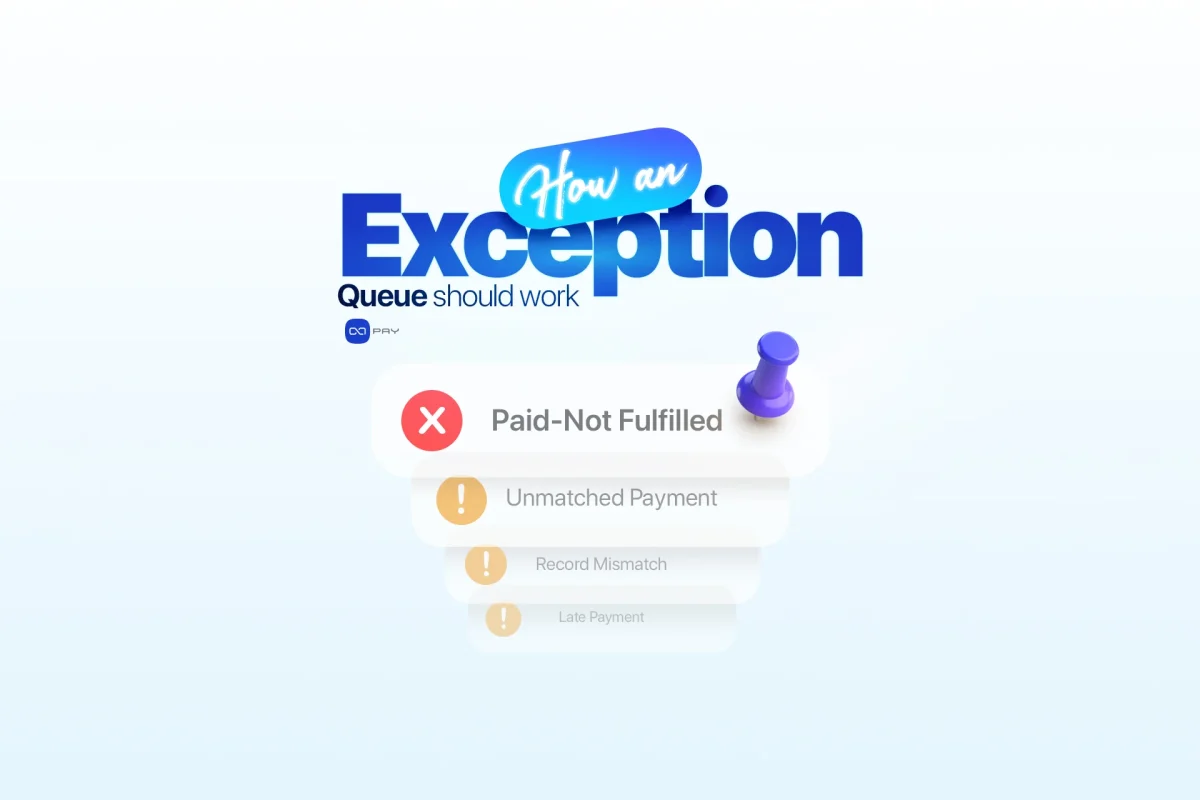
Как должна работать очередь исключений?
Очередь исключений — это общий список платёжных случаев, требующих участия человека. Она не позволяет нерешённым платежам рассеиваться по электронной почте, тикетам поддержки, дашбордам и командным чатам.
Каждый случай должен показывать ссылки на платёж и заказ, категорию проблемы, влияние на клиента, назначенного владельца, следующее действие, дедлайн и итоговое решение.
Случаи с влиянием на клиента должны иметь наивысший приоритет. Клиент, который заплатил, но не получил доступ, требует более быстрого ответа, чем расхождение в отчётности, не влияющее на исполнение. Финансовые расхождения тоже важны, но приоритизация помогает командам действовать последовательно.
Очередь также выявляет повторяющиеся слабые места. Если растёт число поздних платежей, недоплат или несопоставленных транзакций, бизнесу могут понадобиться более ясные инструкции по оплате, лучшие ссылки, пересмотренные политики или улучшение интеграции.
Что мерчантам следует проверять каждый день?
Подробный workflow рассматривается в отдельной статье, но каждый мерчант должен уметь ответить на шесть вопросов в каждый рабочий день:
- Есть ли принятые платежи, которые всё ещё ожидают исполнения?
- Есть ли платежи, которые невозможно сопоставить с заказами или клиентами?
- Есть ли случаи, которые остаются нерешёнными дольше ожидаемого?
- Какие исключения влияют на клиентов или финансовые записи?
- Есть ли у каждого открытого случая владелец и следующее действие?
- Отражены ли завершённые возвраты и ручные решения в соответствующих записях?
OxaPay предоставляет уведомления о статусе платежа через Webhooks и предлагает Payment History с фильтрами по периоду, статусу, сумме, типу платежа, активу и сети. Эти возможности поддерживают операционную видимость, а мерчанты решают, как связать эту информацию с заказами, поддержкой, исполнением и отчётностью.
Пошаговая последовательность описана в Как выстроить ежедневный рабочий процесс для операций с криптоплатежами, следующей статье этого кластера.
Метрики, показывающие операционное состояние
Сам по себе объём платежей не показывает, насколько здоровы операции. Мерчант может обрабатывать больше платежей и одновременно накапливать больший backlog нерешённых случаев.
Полезные показатели включают долю исключений, принятые платежи в ожидании исполнения, число несопоставленных платежей, среднее время решения, самый старый случай с влиянием на клиента, долю ручной обработки и срок завершения возвратов.
Эти метрики должны отвечать на практический вопрос: где платёжный процесс становится медленным, непоследовательным или зависимым от ручного вмешательства?
Распространённые ошибки, которых следует избегать
Самые частые ошибки достаточно просты:
- считать обнаруженную транзакцию завершённым бизнес-платежом;
- позволять командам по-разному трактовать статусы;
- управлять исключениями только через сообщения и скриншоты;
- передавать каждый необычный случай в Engineering;
- закрывать случай до исправления всех связанных записей;
- вносить ручные корректировки без фиксации решения.
Зрелая операционная модель не устраняет исключения. Она делает их видимыми, закреплёнными за ответственными, последовательными и полезными для улучшения процесса.
Как OxaPay вписывается в операционную модель
OxaPay предоставляет платёжную инфраструктуру и информацию, которые мерчанты могут связать со своей операционной моделью.
Businesses can include internal order references in payment requests, receive status updates, and review payment activity through Payment History. OxaPay’s Webhook documentation also distinguishes an earlier paying от финального состояния paid , помогая мерчантам не считать ещё выполняющийся платёж завершённым.
Мерчант по-прежнему определяет, когда разрешено исполнение, кто отвечает за каждое исключение, как обрабатываются поздние или неполные платежи, когда подключаются Finance или Security и как фиксируются ручные решения.
Эта граница важна. Платёжный шлюз для мерчанта provides infrastructure and payment data. Reliable payment operations come from connecting those capabilities to the merchant’s own responsibilities and business rules.
От приёма платежа к операционному контролю
Операции с криптоплатежами помогают бизнесу сохранять управляемость приёма криптовалюты по мере роста объёма транзакций. Сильные операции связывают платежи с заказами, превращают статусы в понятные действия, помещают исключения в видимую очередь, назначают владельца каждому случаю и поддерживают согласованность между исполнением, поддержкой и внутренними записями.
Без этих контролей обычные платёжные проблемы могут превращаться в межкомандные расследования. При их наличии большинство платежей проходит по стандартному процессу, а команды могут находить и решать необычные случаи без путаницы.
OxaPay предоставляет мерчантам инфраструктуру для создания платежей, получения обновлений статуса и просмотра платёжной активности. Добавив чёткую ответственность и операционные правила, бизнес может выйти за рамки простого приёма криптовалюты и построить платёжный процесс, который остаётся управляемым при масштабировании. Компании, готовые структурировать этот поток, могут изучить решение OxaPay Crypto Invoiceи связанную с ним API-документацию.